Wellness travel has proven remarkably durable. Even as overall U.S. travel softened over the past year, demand for spa and thermal experiences held firm, and a particular kind of destination kept rising to the top. Look closely at the most sought-after retreats in North America, and a clear pattern emerges: the Nordic spa is having a moment.
Scandinave Spa Blue Mountain, Everwild Canmore Nordic Spa, Vetta Nordic Spa, and Usva Spa thermal bathing destinations now sit comfortably among the continent’s most visited wellness escapes. What they share isn’t a treatment menu or a celebrity designer. It’s a centuries-old rhythm built around one humble structure: the sauna.
And increasingly, guests aren’t leaving that rhythm at the resort. They’re taking it home.
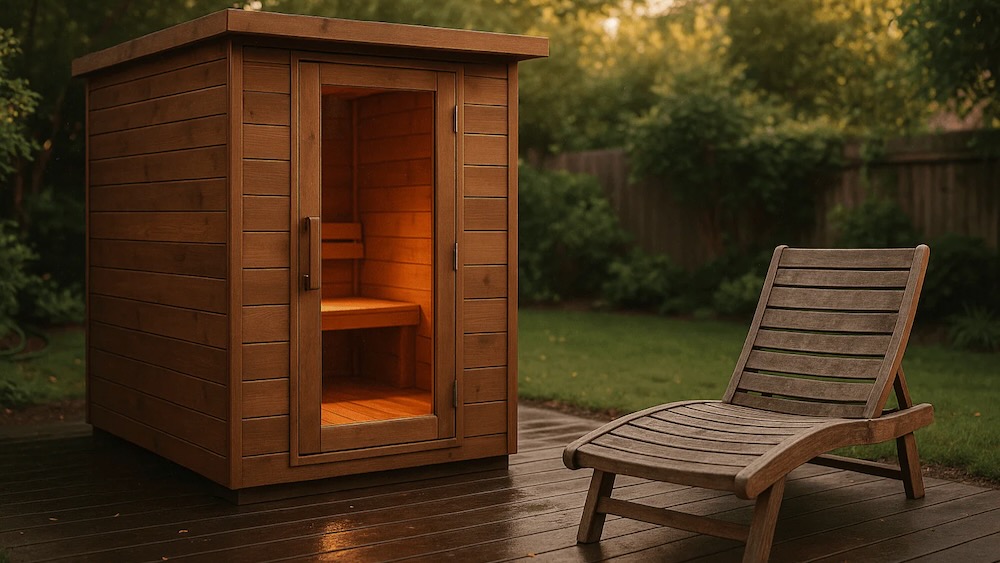
The return of the heat-and-cold ritual
The Nordic bathing tradition is elegantly simple. Warm the body deeply in a sauna. Cool it sharply in cold water or open air. Rest. Repeat. The Finns have a word for the steam that rises when water meets hot stones — löyly — and the practice has been woven into daily life across Scandinavia for generations.
Its modern resurgence is less about novelty than rediscovery. After years of high-intensity wellness trends, the contrast ritual offers something quieter: a practice that asks for stillness rather than effort, and rewards consistency over intensity. It is, in many ways, the antidote to the always-on life its practitioners are trying to step away from.
What the research says
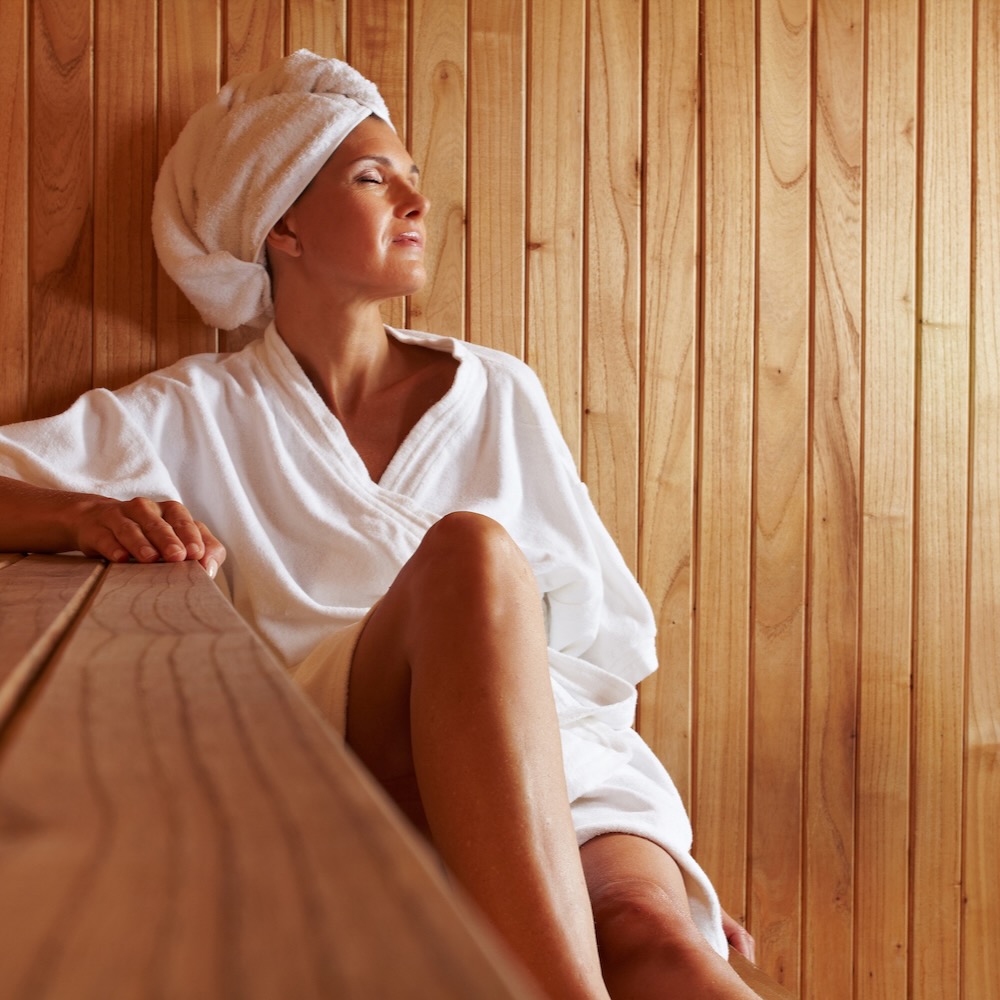
The ritual’s appeal isn’t purely sensory. A 2015 study published in JAMA Internal Medicine, which followed 2,315 Finnish men over roughly two decades, found that those who used a sauna four to seven times per week had a 40% lower risk of all-cause mortality than those who went just once a week. Subsequent research from the same group has linked regular sauna use to cardiovascular and circulatory benefits.
Researchers point to heat-shock protein molecules that the body produces under thermal stress, which help repair and protect cells, as one mechanism behind the effect. The takeaway for wellness travelers is intuitive: the sauna isn’t only a place to unwind. Used regularly, it appears to be genuinely good for the body.
The operative word, of course, is regularly. And that is precisely the challenge a once-a-year spa visit can’t solve.
From destination to backyard
This is where the souvenir instinct kicks in. A traveler returns from a Nordic spa weekend convinced of the ritual’s value, then runs into the obvious obstacle: the nearest thermal retreat is a flight or a long drive away. The logical next step, once reserved for the wealthy, has quietly become attainable.
Outdoor home saunas have matured into a mainstream category. What was once a custom, five-figure construction project is now available as a delivered kit that two people can assemble over a weekend. The result is the same daily access that makes the Nordic lifestyle work, minus the travel.
It helps that the modern backyard sauna looks the part. Clean-lined cabins, classic barrels, and rounded pods now read as design objects as much as wellness equipment, at home in a landscaped garden or on a small urban deck.
What makes an outdoor sauna authentic
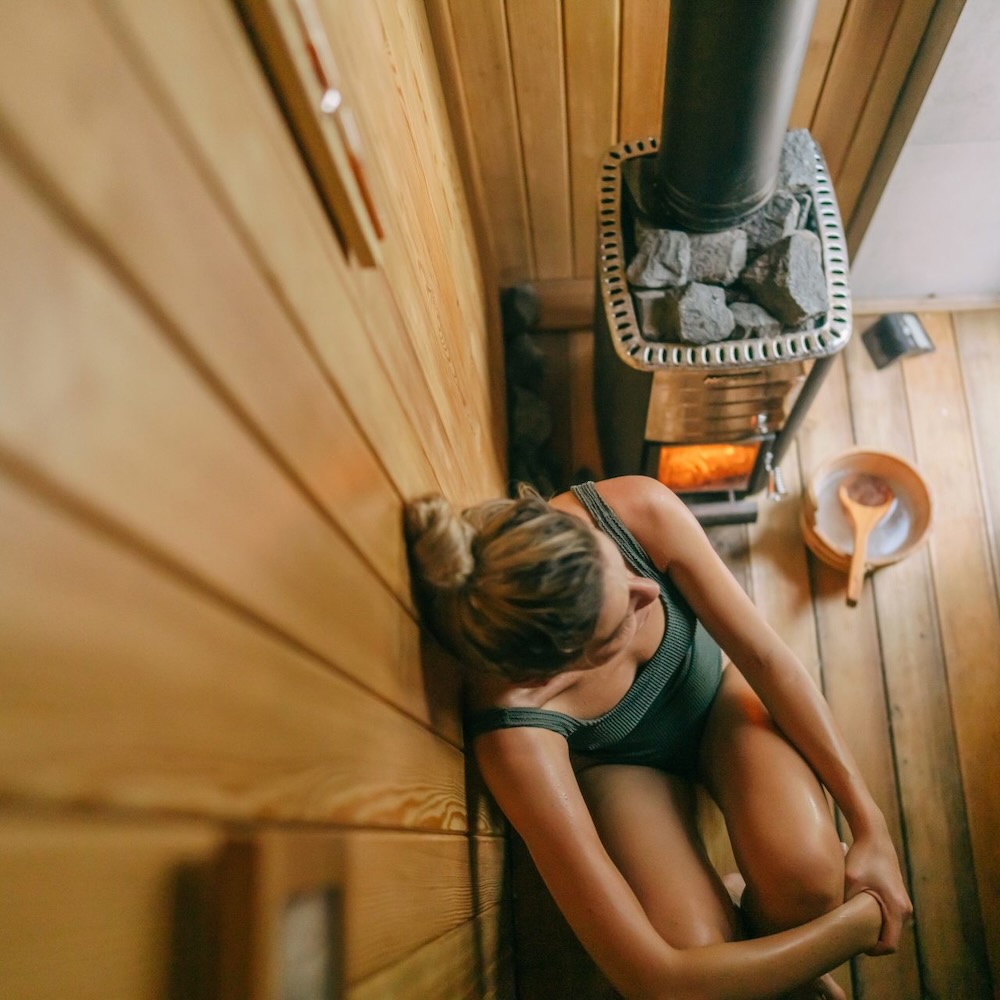
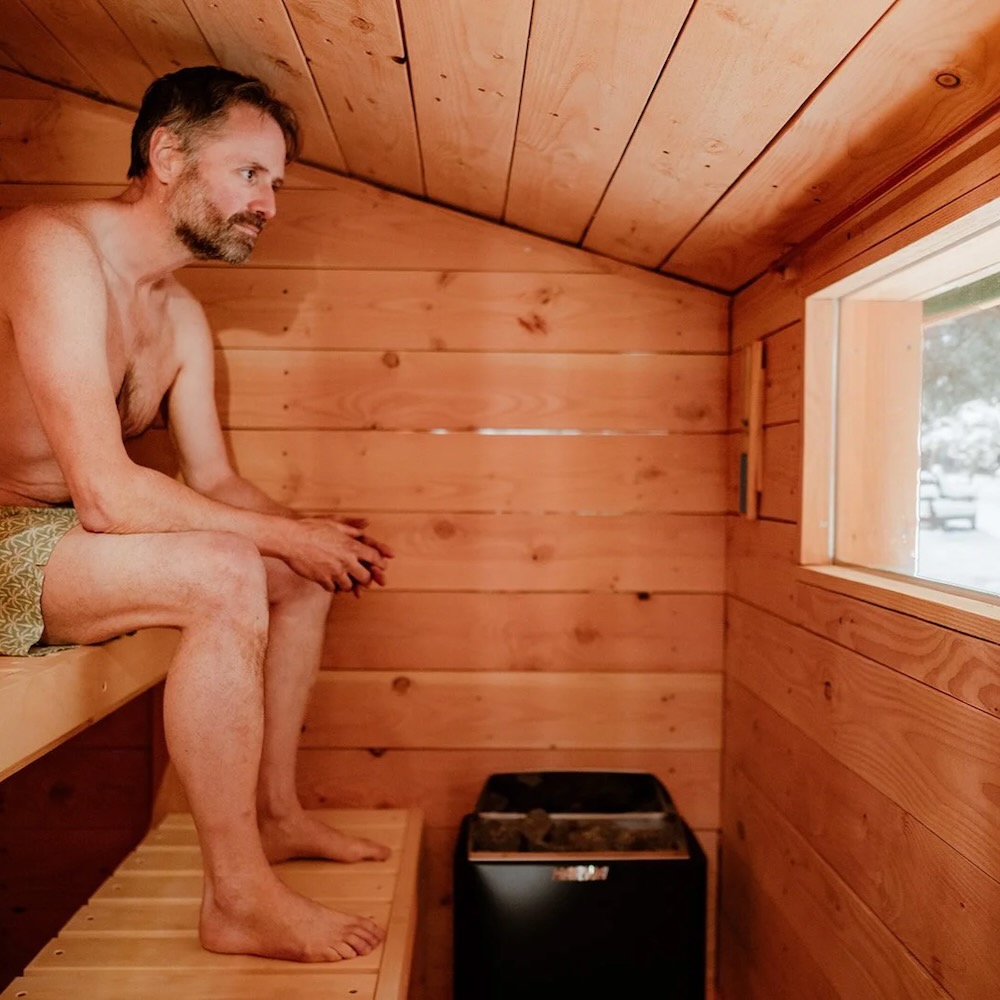
For travelers chasing the Nordic experience specifically, one distinction matters most: the heat source. A traditional sauna is warmed by a wood-burning or electric heater topped with stones. Water ladled over those stones produces the löyly that defines the ritual, the rolling wave of steam, and the deep, enveloping heat. (This is what separates a traditional sauna from an infrared cabin, which warms the body directly and produces no steam.)
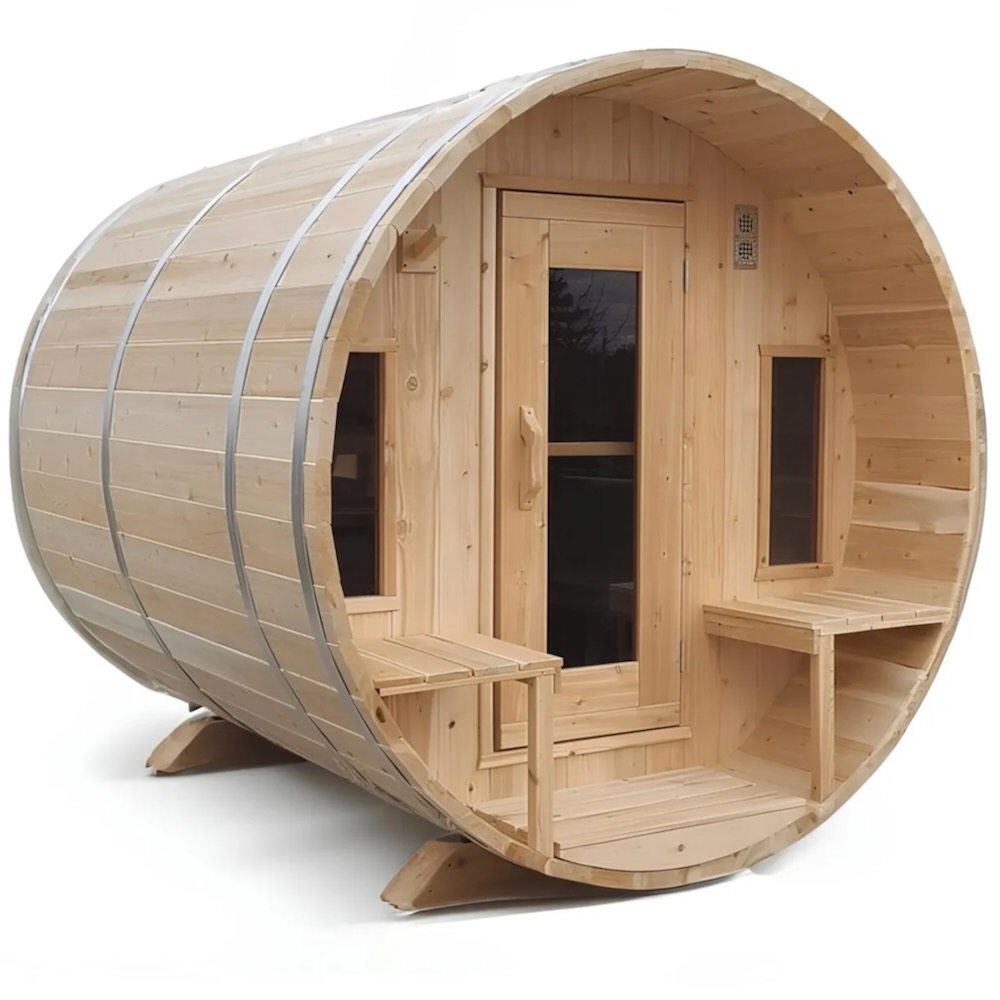
The materials matter, too. Quality outdoor saunas are built from woods chosen to withstand heat and weather, Canadian white cedar, thermally modified spruce and aspen, and red cedar, among the most common. Specialty wellness retailers have built curated collections around these traditional builds: Topture’s outdoor sauna collection, for example, brings together cabin-, barrel-, and pod-style kits from established makers like Dundalk Leisurecraft, SaunaLife, and HUUM, with heaters sized to the room. Kits start under $5,000 and scale up with size and finish, putting a genuine thermal setup within reach of a serious home-wellness budget rather than a renovation one.
To complete the contrast ritual, many owners pair the sauna with a cold plunge or simply a cold shower, the cold half of the cycle being just as essential to the tradition as the heat.
A ritual worth keeping
The lasting appeal of the Nordic spa was never the architecture or the eucalyptus-scented towels. It was the rhythm, the way a few quiet minutes of heat and cold, practiced often, reorganize a day around recovery instead of depletion.
That rhythm travels well. For a growing number of wellness travelers, the most meaningful thing they bring home from a Nordic retreat isn’t a photo or a robe. It’s the ritual itself, and a structure in the backyard that lets them keep it.
Sources: Laukkanen T, et al. “Association Between Sauna Bathing and Fatal Cardiovascular and All-Cause Mortality Events.” JAMA Internal Medicine, 2015. Spas of America, Top 100 Spas of 2025.