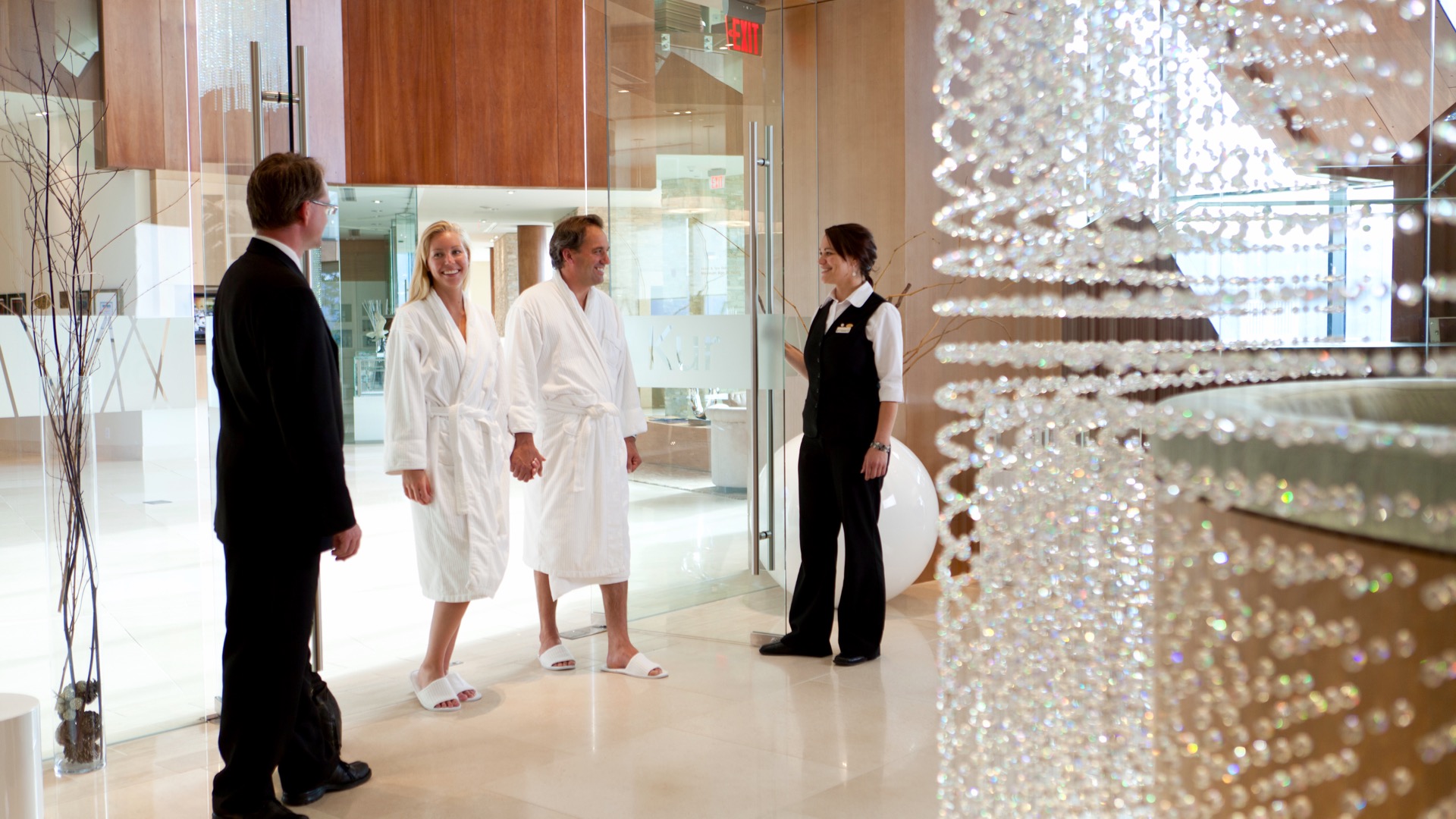
 A great spa visit should feel easy from the first interaction. The appointment starts on time, the welcome feels relaxed, the treatment feels personal, and the guest never has to wonder what comes next. That kind of comfort doesn’t happen by chance. It comes from thoughtful details working quietly in the background, helping the entire experience feel smooth, considered, and restorative.
Guest Expectations Are Rising
Today’s spa guests still want relaxation, comfort, and skilled treatments, but they also expect the entire visit to feel simple from the moment they book. Clear communication, thoughtful service, and well-paced timing all help create a positive spa experience before the guest even reaches the treatment room.
That expectation touches every part of the visit. A slow check-in, repeated questions, or unclear appointment details can break the calm before the treatment begins. When those moments are handled well, guests feel more confident and more ready to unwind.
They may not describe that confidence out loud, but they feel it. It shows in the way they arrive, settle in, and trust the pace of the visit. The stronger the first impression, the easier it becomes for the guest to relax.
Calm Starts Before Check-In
A guest’s sense of ease begins before they walk through the door. A clear confirmation, an accurate appointment time, helpful arrival instructions, and a simple intake process can remove uncertainty before the visit begins.
Early communication sets the tone. When guests know where to go, what to expect, and how to prepare, they arrive with fewer distractions. The spa experience can begin from a calmer place, which makes the treatment feel more natural from the start.
These pre-arrival details matter even more for first-time visitors. They may be wondering how early to arrive, what to wear, whether they can enjoy the amenities, or how much time to leave between treatments. Clear guidance answers those questions before they become small points of stress.
The goal is simple: make the practical side of the visit feel settled. When the details are handled early, guests can step into the spa with a clearer mind and a stronger sense of ease.
The Behind-the-Scenes Details Guests Never See
The most relaxing spa visits often depend on careful coordination that guests never need to see. Appointment timing, intake forms, treatment notes, room readiness, and staff communication all influence whether the day feels smooth or slightly disjointed.
These details may seem ordinary on their own, but together they shape the rhythm of the visit. A therapist who understands a guest’s preferences, a front desk team with the right information ready, and a checkout process that feels simple all support the same calm atmosphere.
Good spa service often depends on having the right information ready at the right time, and spa management software can help keep the practical side of the visit running quietly in the background. The result is a more seamless rhythm, where the guest feels cared for without seeing the work that goes into it.
Personal Service Depends on Good Memory
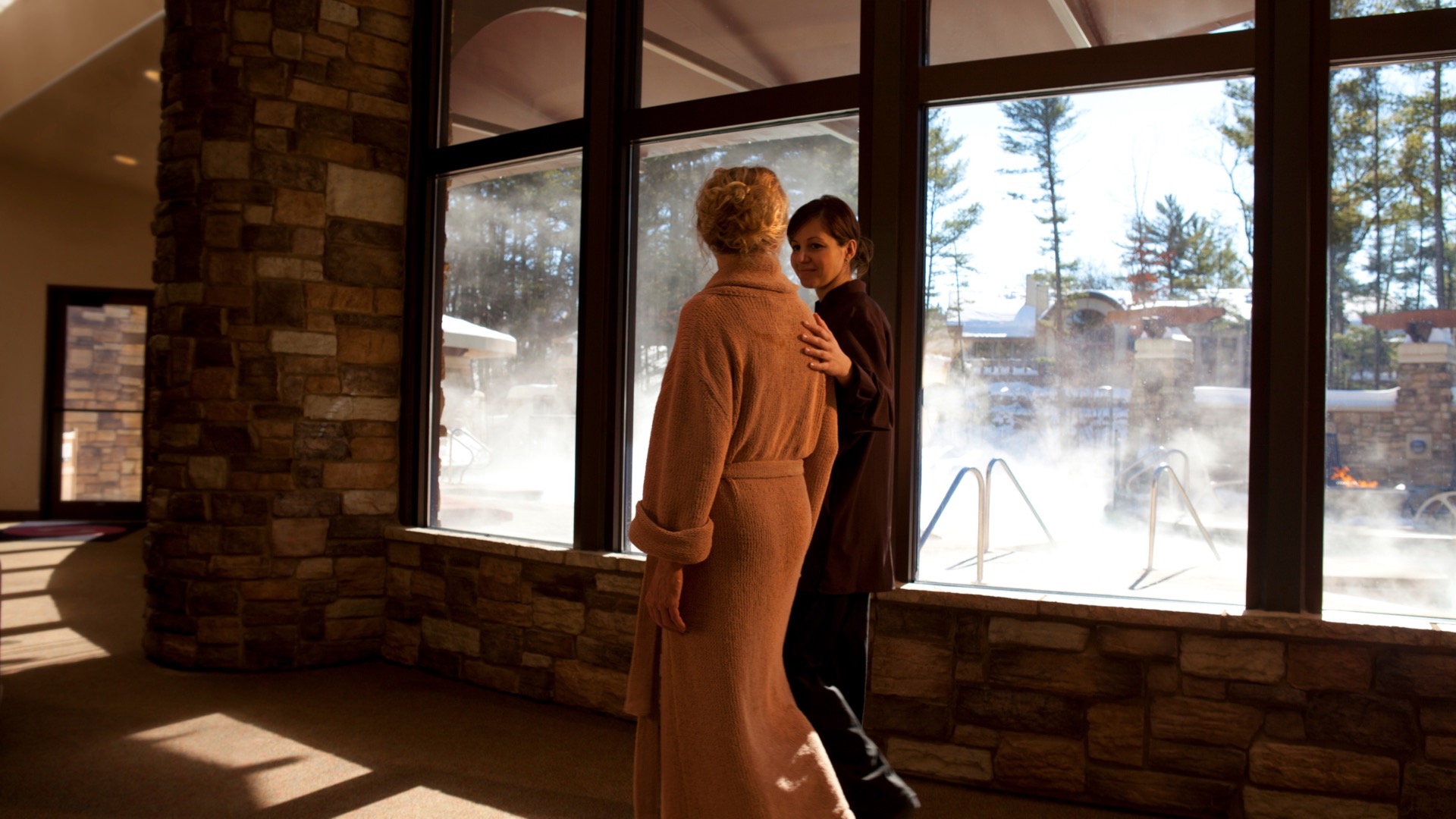
Small gestures often make a spa visit feel more personal. Remembering a guest’s preferred pressure level, sensitivity to scent, favorite treatment room, or desire for a quieter experience can turn routine service into something that feels genuinely considered.
That kind of memory should feel natural, never scripted. When staff seem prepared without asking the guest to repeat every detail, the experience feels warmer, more attentive, and easier to trust. It also gives the visit a sense of continuity, as if the spa understands the person rather than simply managing another appointment.
Personal service is often built from these quiet moments of recognition. A guest may appreciate being asked whether they’d like the same therapist, prefer less conversation during treatment, or whether a past product recommendation worked well. None of those details need to feel dramatic. They simply make the visit feel more thoughtful.
Smooth Operations Protect the Atmosphere
A peaceful spa setting can be undone by small moments of friction. A rushed check-in, unclear timing, misplaced forms, or a payment issue at the end of the visit can pull a guest out of the calm the spa worked hard to create.
Stress relief remains one of the strongest reasons guests make time for spa visits, according to research from the International SPA Association. When the practical details feel simple and unhurried, the atmosphere has more room to do its work. Guests may never notice the systems behind that ease, but they remember how smoothly the experience felt.
The strongest spa experiences protect the mood from beginning to end. Transitions feel clear, staff communication feels quiet and confident, and guests aren’t left wondering what happens next. Operational details may happen behind the curtain, but they shape the atmosphere in very real ways.
Effortless Is the New Luxury
Luxury in a spa setting often shows up as ease. It’s the feeling of being expected, understood, and gently guided without having to ask too many questions. The treatment matters, of course, but so does everything around it.
When a spa visit feels effortless, guests can settle into the experience more fully. A prepared therapist, a quiet transition, a smooth checkout, and a thoughtful follow-up after the visit all contribute to that feeling. Together, those details turn good service into something guests want to come back for.
This kind of luxury doesn’t need to feel showy. It can be as simple as a room being ready at the right moment, a robe waiting in the right size, or a guest being given enough time to move slowly after a treatment. When the experience feels unhurried, the value of the visit lasts longer.
Conclusion
A spa visit becomes memorable when every part of it moves with care. Guests may come for the treatment, the setting, or the promise of a quieter hour, but they often remember the way the experience made them feel. When the small details are handled with intention, the result is simple: more ease, more trust, and a stronger sense of renewal.