TMJ discomfort can affect much more than the jaw itself. People dealing with jaw tightness often notice tension spreading into the neck, shoulders, temples, and even the upper back. While medical evaluation remains important for persistent symptoms, many spa-focused wellness practices can complement a broader self-care routine. The goal is not to treat a condition, but to create opportunities for relaxation, reduce physical tension, and support overall comfort.
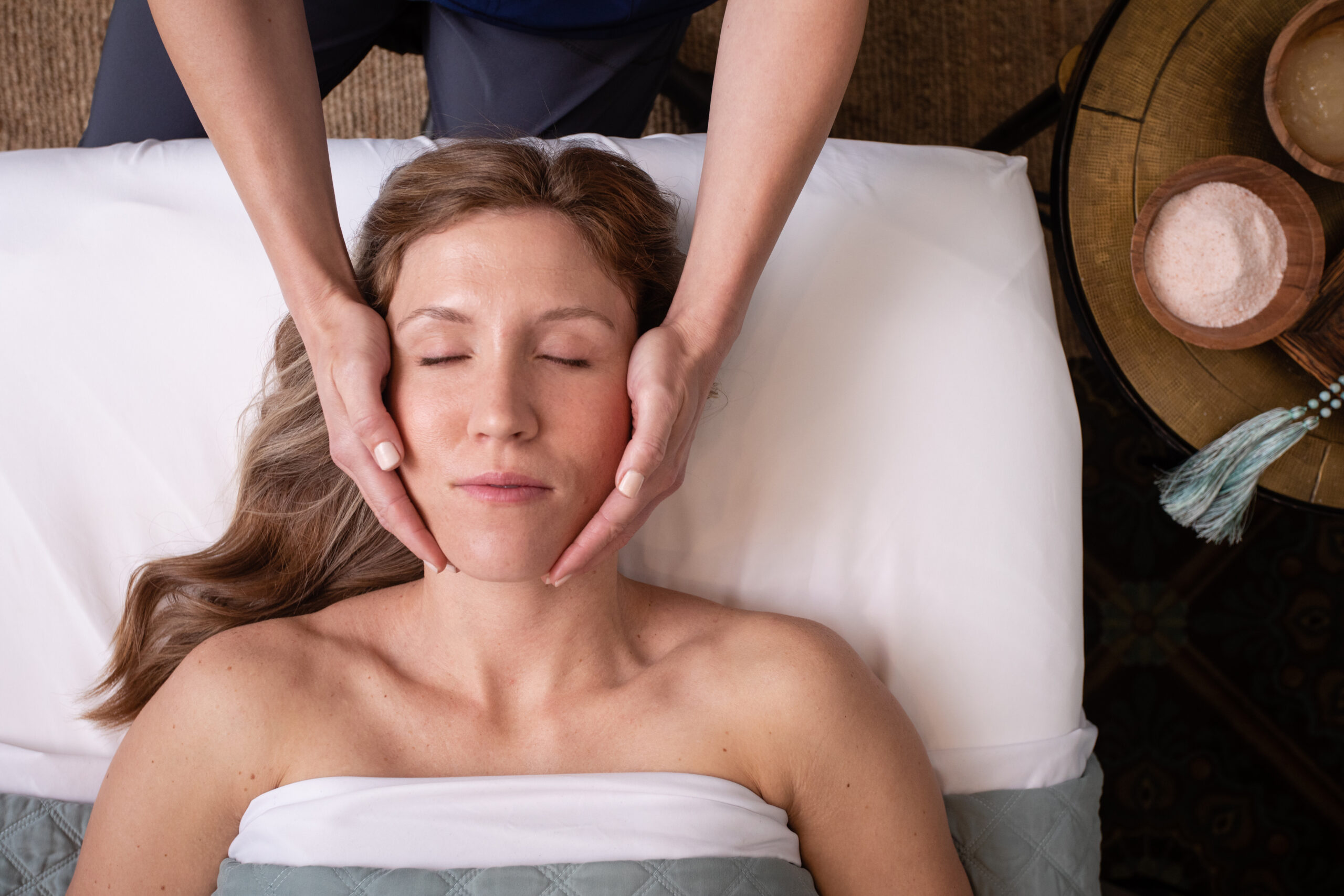
Invest in Targeted Facial Massage
One of the most overlooked wellness habits for people dealing with jaw tension is regular facial massage. In many cases, the muscles responsible for chewing and clenching become overworked, especially during stressful periods. A trained therapist can focus on areas around the jaw, cheeks, temples, and neck to encourage relaxation and improve comfort.
A monthly face massage for TMJ is one thing you can invest in, as it provides dedicated time to address areas that often hold significant tension. Many people focus on back or shoulder massages while neglecting the facial muscles that work throughout the day. Regular sessions may also help individuals become more aware of unconscious habits such as clenching or grinding.
Facial massage can be paired with scalp treatments, neck work, or lymphatic-focused techniques for a more comprehensive spa experience.

Use Heat-Based Spa Therapies to Relax Tight Muscles
Warmth has long been associated with comfort and muscle relaxation. Spa treatments that incorporate heated towels, warm stones, steam rooms, or hydrotherapy can create an environment that encourages the body to release built-up tension.
The muscles surrounding the jaw do not exist in isolation. Tightness in the neck and shoulders can contribute to feelings of stiffness throughout the upper body. Spending time in a steam room before a massage session may help prepare muscles for hands-on work. Warm compresses applied during a facial treatment can also create a soothing experience around the jaw and temple area.
Many spas offer customized wellness packages that combine heat therapies with massage techniques, allowing guests to address several areas of tension during a single visit.

Prioritize Stress Reduction Treatments
Stress is often linked to behaviors such as jaw clenching, teeth grinding, and muscle tension. While stress management is not a one-size-fits-all solution, spa treatments can provide a valuable opportunity to step away from daily demands and focus on recovery.
Aromatherapy sessions, guided relaxation experiences, meditation classes, and restorative body treatments all encourage a slower pace. Even a single afternoon dedicated to relaxation can help break cycles of tension that build over time.
Many wellness professionals recommend creating regular opportunities for stress relief rather than waiting until tension becomes overwhelming. Consistency often matters more than intensity. A recurring massage, facial, or wellness appointment may provide ongoing support for people trying to maintain healthier habits and reduce physical strain.

Explore Recovery-Focused Hydrotherapy Experiences
Hydrotherapy has been a cornerstone of wellness traditions around the world for centuries. Alternating temperatures, mineral pools, soaking baths, and relaxation circuits are frequently included in modern spa environments designed to promote recovery and restoration.
One option gaining attention among wellness enthusiasts is Nordic spa treatments. These experiences typically combine warm pools, saunas, cold plunges, and designated relaxation spaces. The structured movement between heat, cold, and rest creates a wellness ritual centered on recovery and mindfulness.
While these experiences are not designed specifically for TMJ concerns, many people appreciate the opportunity to reduce overall muscle tension throughout the body. Since jaw discomfort often exists alongside tension in other muscle groups, whole-body relaxation can be an appealing addition to a broader wellness routine.
The peaceful atmosphere in many Nordic-inspired spa settings also encourages guests to disconnect from screens, work obligations, and everyday distractions, fostering mental and physical relaxation.
TMJ-related tension can affect daily comfort in surprising ways. Spa treatments such as facial massage, heat therapies, stress-reduction services, and hydrotherapy experiences may help support relaxation and overall well-being. When combined with professional guidance and healthy self-care habits, these wellness-focused approaches can become a valuable part of a long-term routine.