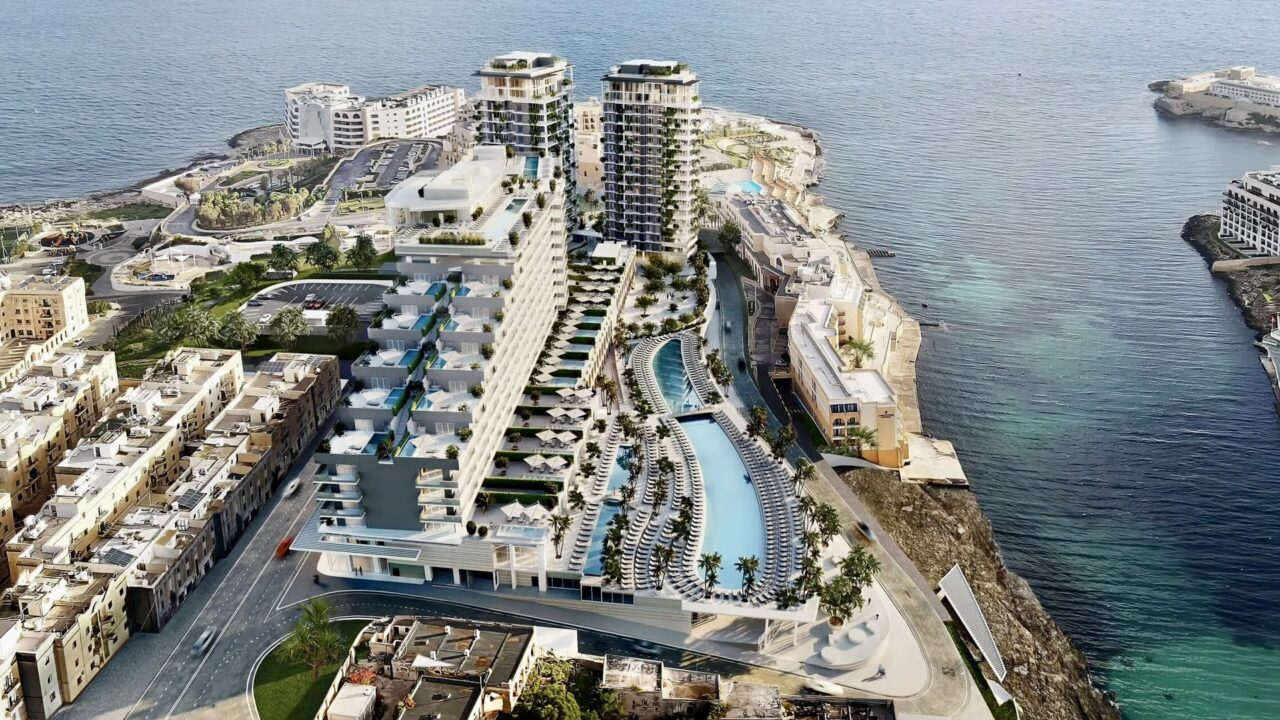
 Guests rarely leave a memorable spa experience talking about square footage or floor plans. Instead, they remember how the space made them feel. The quiet of a relaxation lounge, the warmth of a stone bench in a steam room, or the afternoon sunlight filtering through windows overlooking a garden.
These seemingly effortless details are anything but accidental. Long before construction begins, spa designers, architects and operators spend months planning how a new spa will look, feel and function.
Creating a successful resort spa requires more than beautiful interiors. Designers must balance guest comfort and privacy with the practical demands of operating treatment rooms, thermal facilities, changing areas and relaxation spaces. Increasingly, technology lets designers explore and refine these decisions before construction begins.
Designing Around the Guest Journey
One of the first considerations in spa design is the guest journey.
From arrival and check-in to changing rooms, treatments and relaxation, each stage should feel intuitive and comfortable. Thoughtful planning helps guests move through the spa without unnecessary distractions or interruptions.
For example, changing rooms should provide privacy without feeling isolated. Treatment rooms need to be peaceful and protected from noise, while relaxation lounges benefit from natural light and comfortable seating.
Behind the scenes, operational considerations matter just as much. Therapists need convenient access to supplies, housekeeping teams require efficient routes for collecting towels, and maintenance staff must be able to service equipment without disturbing guests.
When these details are addressed early, the result is a spa that functions efficiently while maintaining a calm, welcoming atmosphere.
The Importance of Light, Water and Materials
Three elements play a key role in shaping the spa experience: lighting, water, and materials.
Natural light can transform a relaxation lounge and create a connection with the surrounding landscape. Treatment rooms, however, often require carefully controlled lighting to support different services and maintain a restful environment.
Water introduces another level of complexity. Pools, steam rooms, showers and hydrotherapy facilities require specialized ventilation, waterproofing, drainage and maintenance systems.
Material selection is equally important. Natural stone, wood, terrazzo and textured finishes can create an inviting atmosphere, but they must also withstand moisture, cleaning products and frequent use.
A beautiful floor, for example, must provide adequate slip resistance when wet. Similarly, finishes surrounding thermal facilities must be selected for durability as well as appearance.
The most successful designs combine visual appeal with comfort, safety and long-term operational performance.
Seeing the Spa Before It Is Built
Traditionally, designers relied on architectural drawings, material samples and physical mock-ups to communicate their vision.
Today, digital visualization has become an increasingly useful part of the planning process.
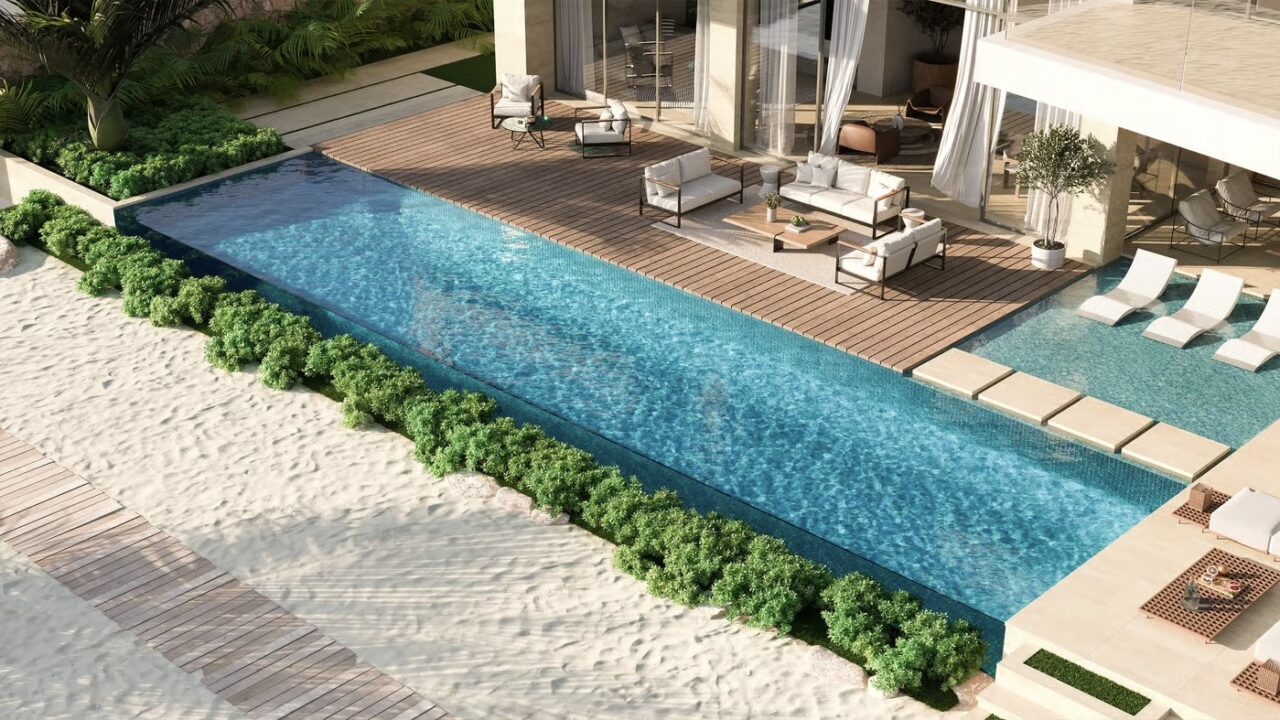
Through hospitality rendering, architects and designers can transform technical drawings and material specifications into realistic images of proposed spaces.
These visualizations allow owners, operators and design teams to evaluate important decisions before construction begins.
How will a relaxation lounge look with a full complement of guests? Does the proposed lighting create the right atmosphere? Will the materials and finishes work together as intended?
A thermal suite can be viewed from several perspectives, helping designers understand the relationships among steam rooms, saunas, pools, and relaxation areas.
Lighting can also be explored under different conditions, from bright morning sunlight to the softer atmosphere of an evening spa experience.
While renderings cannot replace technical analysis or physical testing, they provide a valuable way to identify potential design concerns and communicate a shared vision.
Why Visualization Matters to Spa Owners
For resort developers and spa operators, realistic visualizations offer benefits beyond interior design.
They help project teams evaluate design options, communicate concepts to stakeholders, and identify potential changes before ordering materials or starting construction.
This can reduce costly misunderstandings and improve decision-making throughout the development process.
Visualizations are also useful when presenting a project to hotel brands, investors and financial partners. Detailed images make it easier to understand the proposed guest experience and how individual spaces contribute to the overall concept.
For operators planning a new spa or major renovation, this clarity can be especially valuable when balancing design ambitions with construction budgets and operational requirements.
From Design Concept to Marketing
Long before a new resort spa opens, its marketing team may already be introducing the experience to prospective guests.
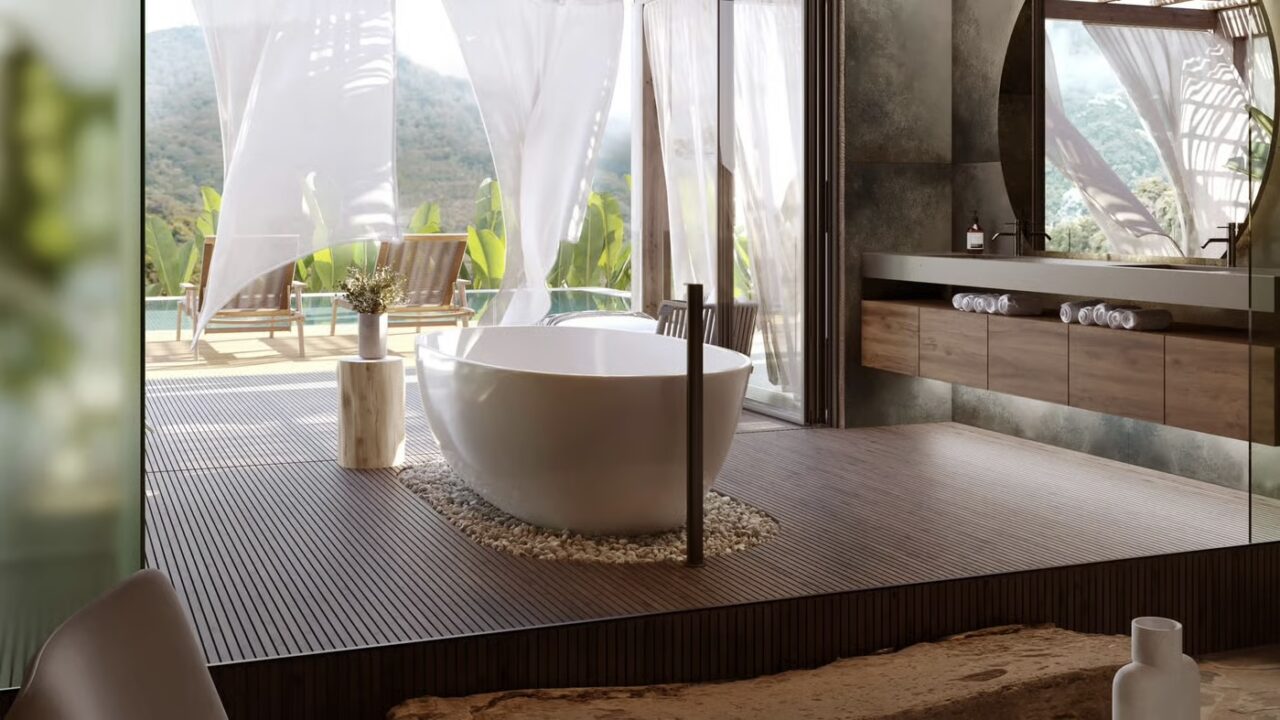
Architectural renderings can help communicate the atmosphere of a future property through websites, presentations, media materials and early promotional campaigns.
For travel advisors, meeting planners, wellness retreat organizers and travel editors, these images provide an early look at the design and facilities.
However, accuracy matters.
A rendering showing a garden view, heated relaxation loungers or a particular thermal experience creates expectations. If those features change during construction, update promotional materials accordingly.
Clearly identifying images as architectural renderings also helps distinguish proposed amenities from completed facilities.
Once the spa opens, professional photography can replace the original visualizations and showcase the finished experience.
Creating an Experience That Feels Effortless
Technology has changed how spa environments are planned, presented and refined, but the fundamental objective remains the same.
A successful spa should feel comfortable, welcoming and restorative.
Guests should be able to move naturally from one space to another, enjoy treatments without unnecessary distractions, and appreciate surroundings that encourage them to slow down.
Achieving that simplicity requires considerable planning.
From the placement of a treatment room to the selection of lighting, materials and thermal amenities, countless decisions shape the final experience.
And when everything comes together, the most thoughtful design may be the part guests barely notice. They simply remember how wonderful the spa made them feel.