At Spas of America, our readers understand that true wellness rarely happens indoors alone. Travelers who seek mountain spas, ocean retreats, and desert sanctuaries are often the same people who want their backyards to feel restorative, too. If you have ever returned from a spa retreat craving that same sense of calm at home, building a pollinator-friendly garden is one of the most meaningful ways to bring that feeling into your daily life. The hum of bees and the sight of butterflies drifting between blossoms can be just as grounding as a soak in a mineral hot spring.
But before you start digging, you need to understand an important legal and ecological piece, especially if you live in Florida or are designing a wellness garden for a Florida property. Honey bees are not just charming garden visitors; in many respects, they are regulated, managed livestock, and the plants and pest-control choices you make can directly affect their health and legal status. A wellness sanctuary that ignores these realities risks doing more harm than good, both to your garden and to the pollinators you are trying to attract.
Step 1: Understand Florida’s Honey Bee Protection Laws and Your Legal Responsibilities
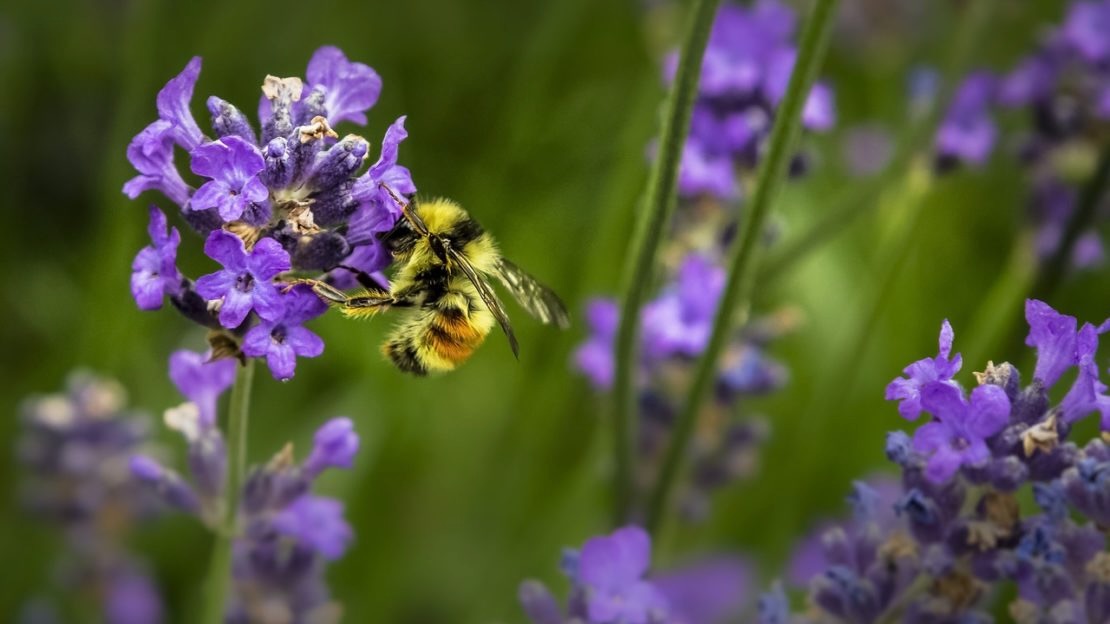
The first concrete step in building your sanctuary is learning what the law says about honey bees in your area, because it shapes every decision that follows. Many homeowners assume bees are simply wild visitors they can manage however they like, but in Florida, honey bees fall under specific state oversight tied to agriculture and apiary registration. Before you plant a single flower or consider pest treatments, it helps to understand whether honey bees are protected in Florida, since that will shape how you handle any hive discoveries, schedule pest control, and even which companies you hire for lawn or landscape maintenance.
Once you understand the legal framework, you will also want to grasp why these protections exist in the first place. According to this article, Florida is home to over 300 species of native bees that pollinate the state’s ecosystem and agricultural commodities, and the Florida Department of Agriculture and Consumer Services has identified practices growers, beekeepers, and pesticide applicators can adopt to protect both crops and honey bee colonies. This means your wellness garden is not an isolated project; it connects to a much larger agricultural and ecological network. Knowing this context will make your next steps feel less like a hobby and more like a genuine contribution to the state’s food system.
Step 2: Design Your Wellness Garden Layout with Native Plants and Pollinator Habitat
With the legal groundwork in place, map out your garden layout before you buy a single plant. Walk your property and identify the sunniest, most sheltered areas, since pollinators generally prefer spots that receive at least six hours of direct sunlight and are shielded from strong winds. Sketch a rough plan that groups plants by bloom time and height, placing taller shrubs and small trees toward the back or edges and lower flowering plants in the foreground, similar to how a spa might layer a tranquil courtyard garden for both beauty and function.
As you design, resist the urge to scatter a few flowers randomly and call it done. Pollinators respond far better to clustered plantings, where several of the same species grow together in patches rather than single specimens spread thin across the yard. This clustering approach also makes maintenance easier and creates the visual rhythm of calm, intentional landscaping found at wellness retreats, where every element seems to have a purpose rather than existing by accident.
Step 3: Plant Native Flowers, Shrubs, and Trees That Bloom Year-Round
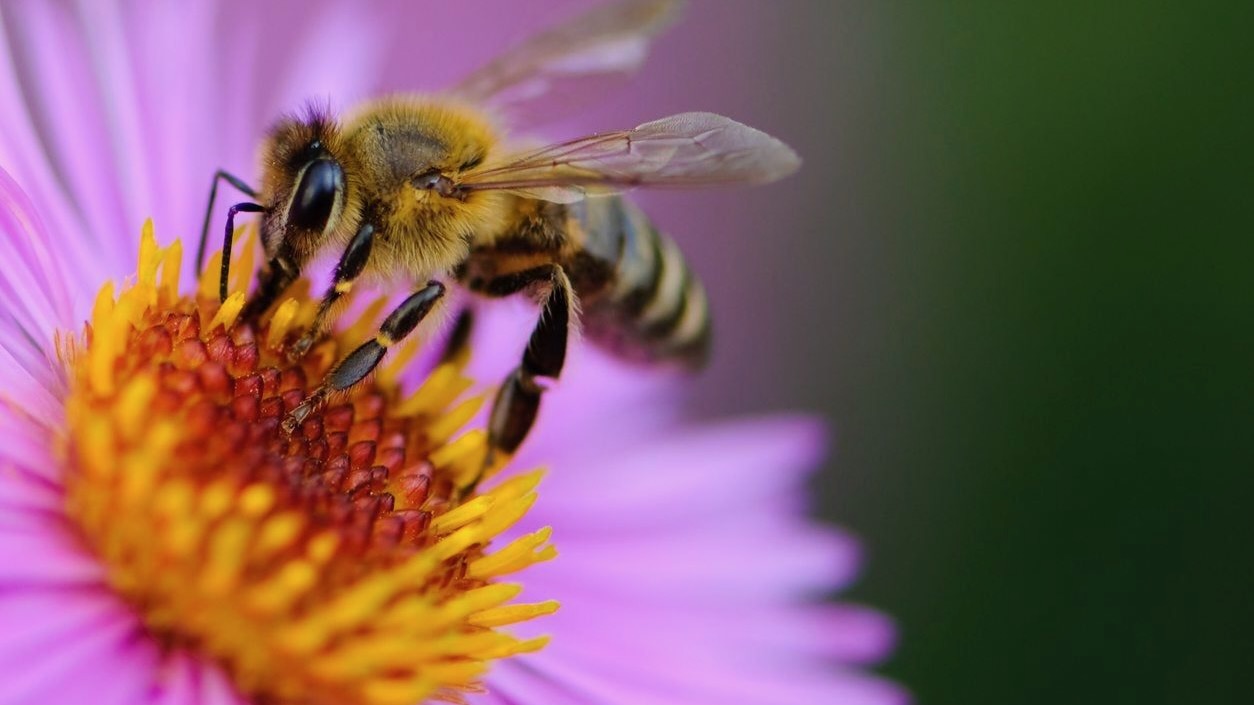
Once you’ve sketched your layout, the next step is selecting native species that bloom across seasons so your sanctuary never goes quiet. Florida natives such as coral honeysuckle, blanket flower, and beautyberry offer staggered blooming windows that keep nectar and pollen available from early spring through late fall. Native bees and honey bees alike depend on this continuity, since gaps in blooming can force colonies to travel farther for food or weaken them as they head into less favorable seasons.
When selecting plants, prioritize species that are genuinely native to your region rather than ornamental varieties that merely look similar. Many big box nursery plants are bred for appearance and may produce little usable nectar or pollen, which defeats the purpose of your sanctuary. Visit a local native plant nursery or consult your county extension office for a list suited to your specific soil and climate conditions, and plant in the recommended clusters discussed in Step 2 so pollinators can forage efficiently.
Step 4: Add Water Sources, Nesting Areas, and Shelter for Pollinators
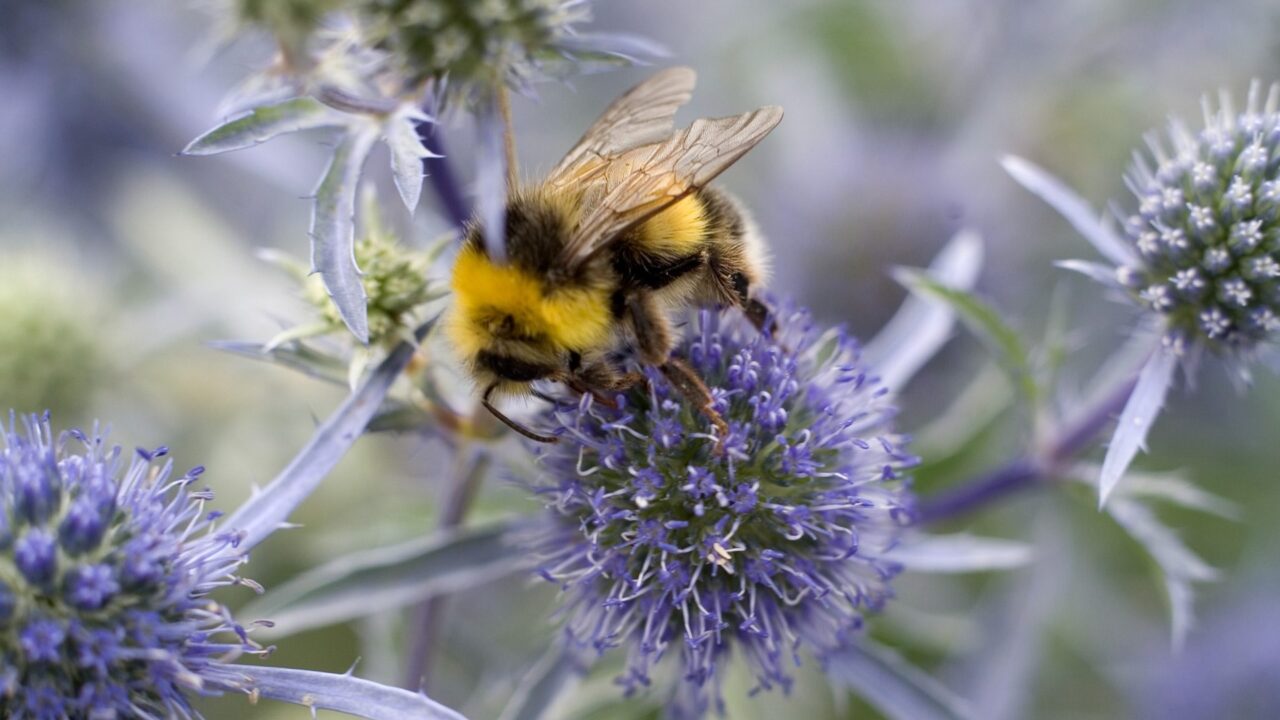
With plants established, the final step is addressing the three things most backyard gardens overlook: water, nesting sites, and shelter. A shallow dish filled with pebbles and water gives bees a safe place to drink without risk of drowning, and placing it near your flowering clusters encourages regular visits. Leave a small patch of bare, undisturbed soil for ground-nesting native bees, since most Florida native species nest underground rather than in hives, and avoid heavy mulching over this entire area.
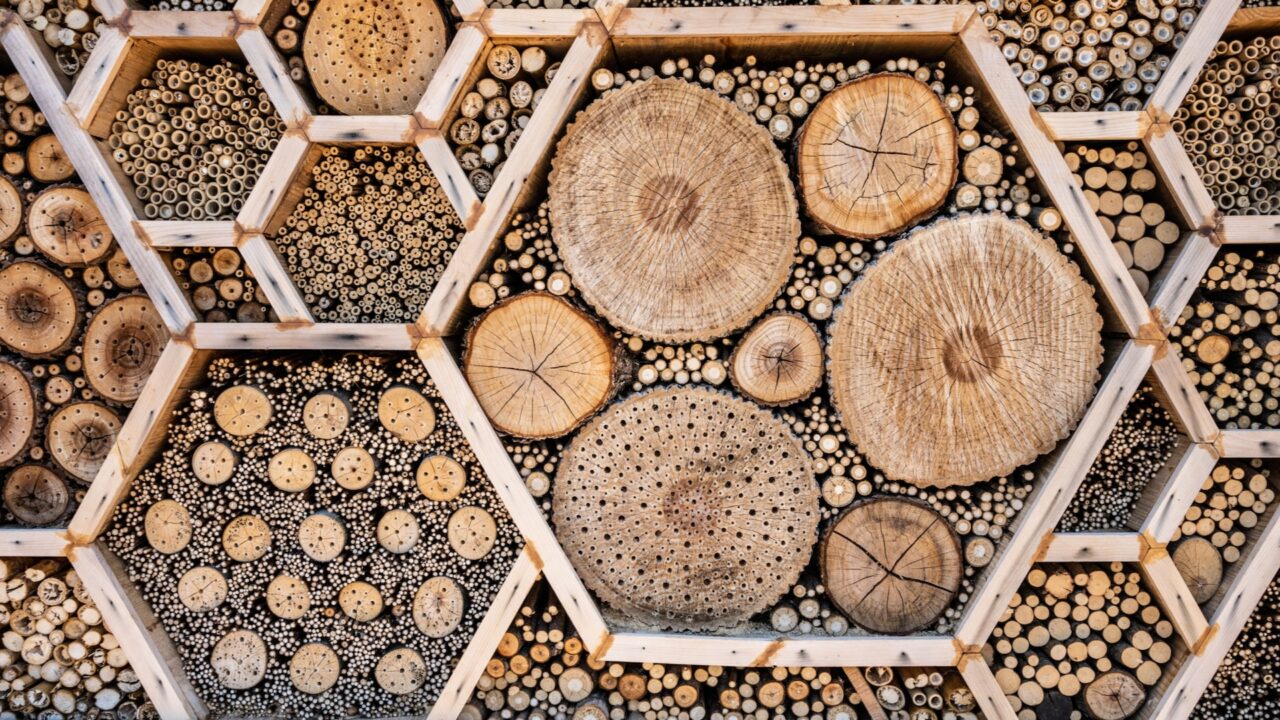
Finally, incorporate simple shelter elements such as a brush pile, a stack of untreated logs, or a bee hotel with varied tunnel sizes to accommodate different species. These additions complete the sanctuary by giving pollinators a reason to stay, not just visit, which is the real goal of any wellness-focused outdoor space. The table below summarizes recent figures that illustrate just how much is at stake when homeowners take these steps seriously.
| Native Bee Species in Florida | Over 300 species assist in the pollination of Florida’s ecosystem (FDACS, 2024) |
| Florida Registered Beekeepers | Nearly 5,000 registered beekeepers manage over 650,000 honey bee colonies (Authentic Florida, 2024) |
| Crops Dependent on Honey Bee Pollination | Approximately 3 out of 4 crops in Florida rely on honey bees (Authentic Florida, 2024) |
| Global Pollinator Decline | Flying invertebrates have declined by an estimated 45 percent globally (West Virginia DNR, 2024) |
| Food Supply Reliance on Pollinators | One out of every three bites of food consumed depends on pollinators (West Virginia DNR, 2024) |
Building a wellness sanctuary that protects pollinators takes more than good intentions; it requires understanding the rules, planning thoughtfully, choosing the right plants, and rounding out the habitat with water and shelter. When you follow these steps in order, you create a space that supports both your own sense of calm and the broader ecosystem that quietly sustains Florida’s food supply. Just as a well-designed spa retreat balances beauty with genuine restorative function, a pollinator garden built with care becomes a living, breathing extension of that same wellness philosophy.