Have you ever wondered what spas were like a hundred years ago? Maybe even a thousand? Were there even spas before?
Spas may feel like a modern luxury, but the idea behind them is actually nothing new.
After all, water, heat, and touch simply felt good to the body. Ancient people didn’t need plush robes, calming playlists, or even modern science to know that.
So, how did we get the spas of today? Below is a crash course on how spas evolved from ancient public baths to the full-fledged wellness industry we know today.
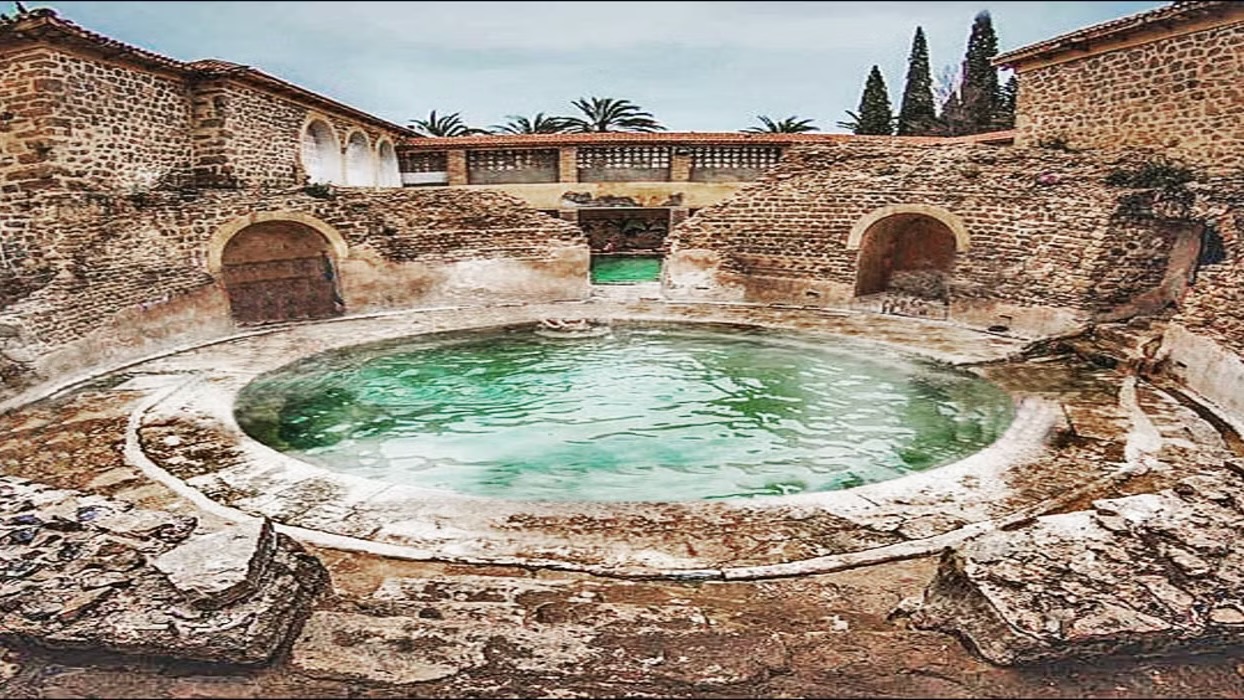
Public Baths in the Ancient World: The Roots of Spas
Water has always been the basis of life—and therefore of healing. Ancient cultures around the world understood this and gave bathing a deeper meaning beyond mere bodily cleanliness.
The ancient Egyptians, for example, saw bathing as a ritual of spiritual purification as much as a means of cleaning one’s body. They bathed in the Nile River at least once a day.
The Greeks also viewed bathing with philosophical underpinnings, similarly believing that baths were necessary for both physical fitness and mental clarity.
While the Greeks originally bathed in icy water, the city of Sparta eventually introduced hot baths into the region and used hot stones to heat the water. However, public bathing was mostly limited to gymnasiums or athletic training grounds, which also featured steam rooms.
Building on this Greek tradition, the Romans took it a step further and built thermae, vast public bath complexes. This was the actual start of institutionalized public bathing.
Beyond being places for washing up, people went there to socialize. Bathing was becoming hygienic and a recreational practice.
The Latin phrase sanitas per aquam—“health through water”—perfectly encapsulates how these early societies viewed bathing.
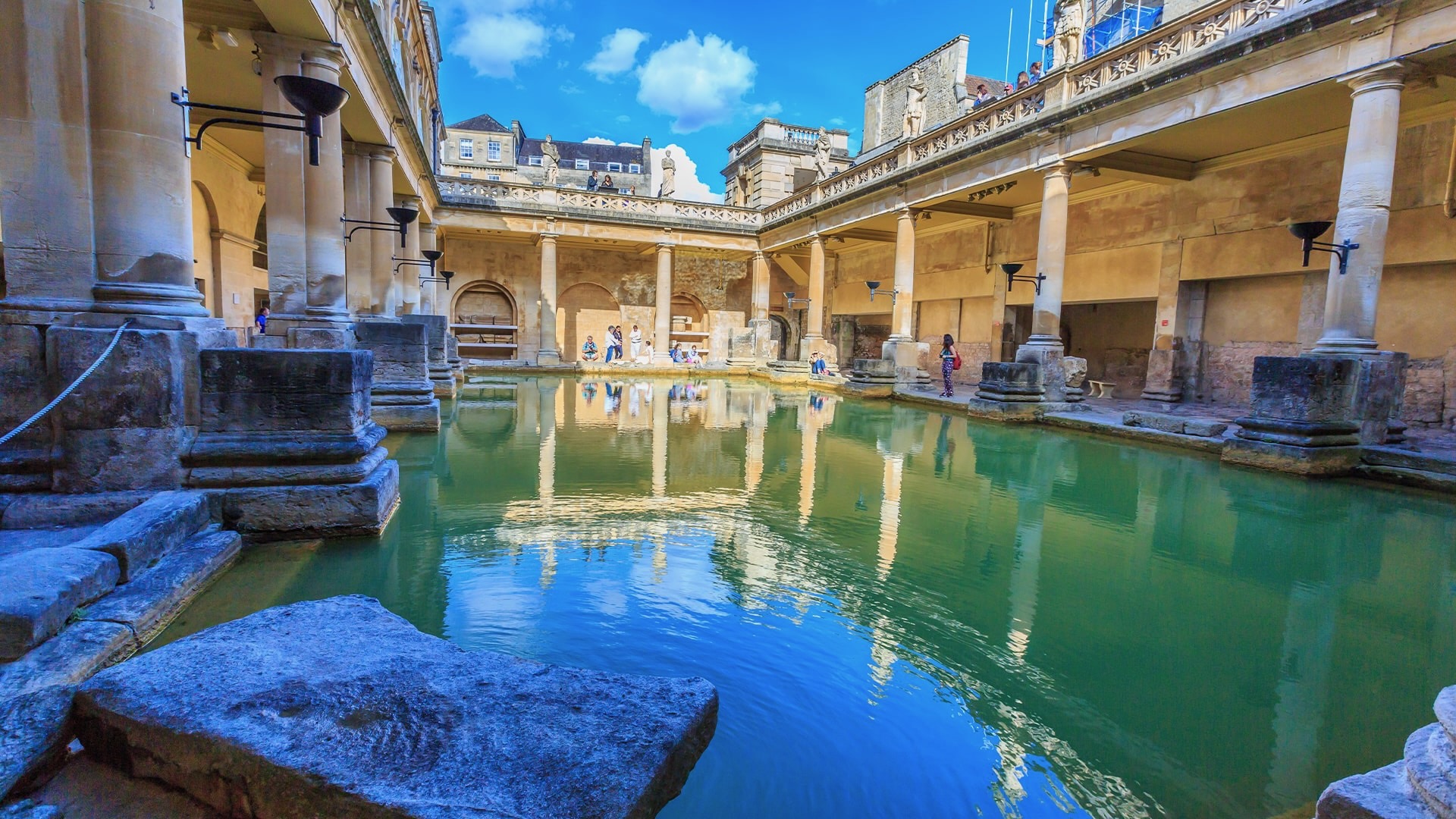
Medieval Spa Towns to Elite Retreats
As Europe moved into the Middle Ages, public bathing declined in many areas. However, natural mineral springs continued to draw visitors seeking the relief provided by hot water.
Some towns even gained a reputation for these springs. In fact, one such town, Spa in Belgium, is where the term “spa” was coined.
It wasn’t until the 18th and 19th centuries that public bathing and spa culture became popular again, particularly among Europe’s upper classes.
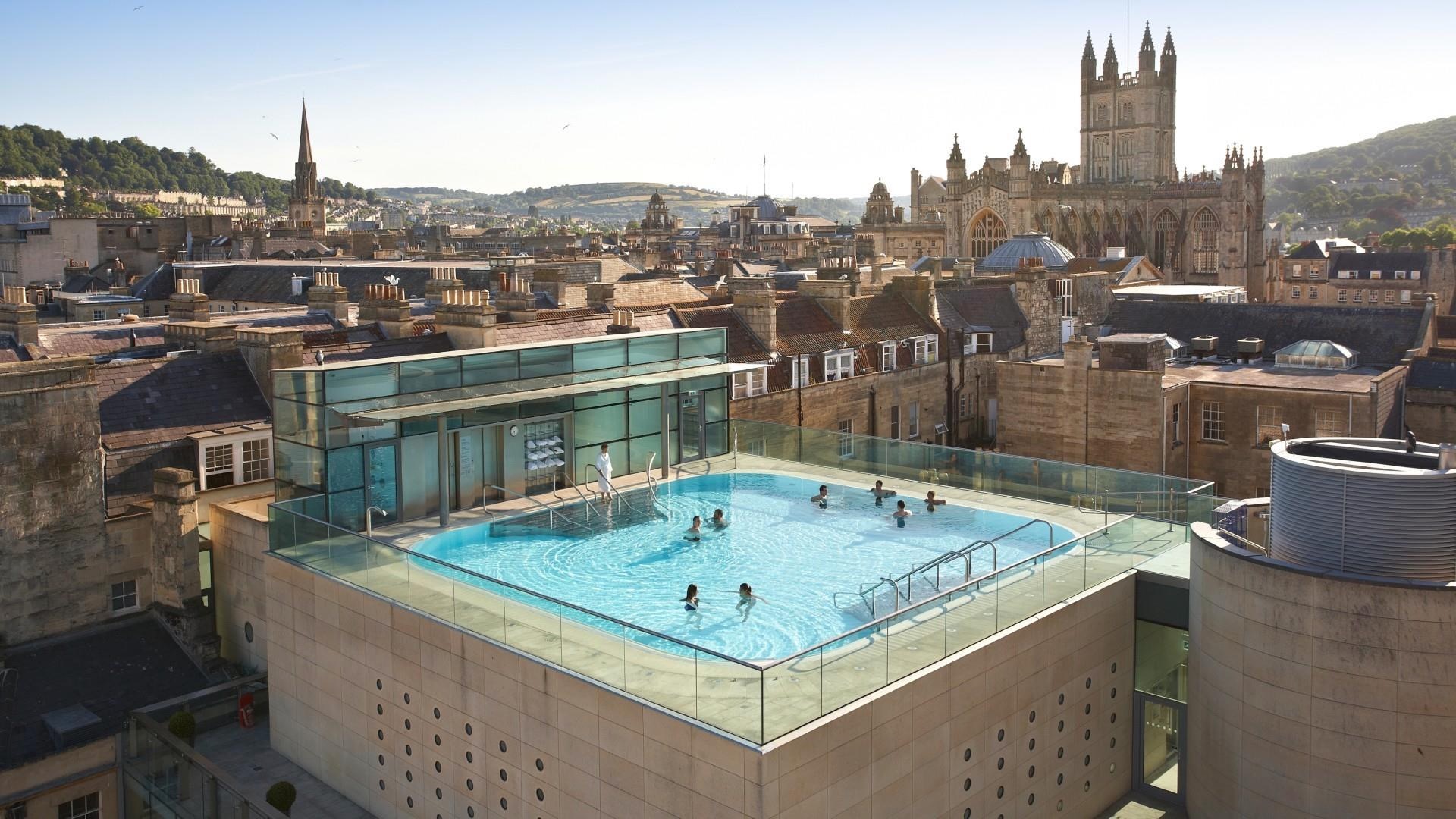
Cities such as Bath in England or Baden-Baden in Germany became luxurious spa destinations that were beginning to incorporate mineral baths, massages, and exercise into the overall experience.
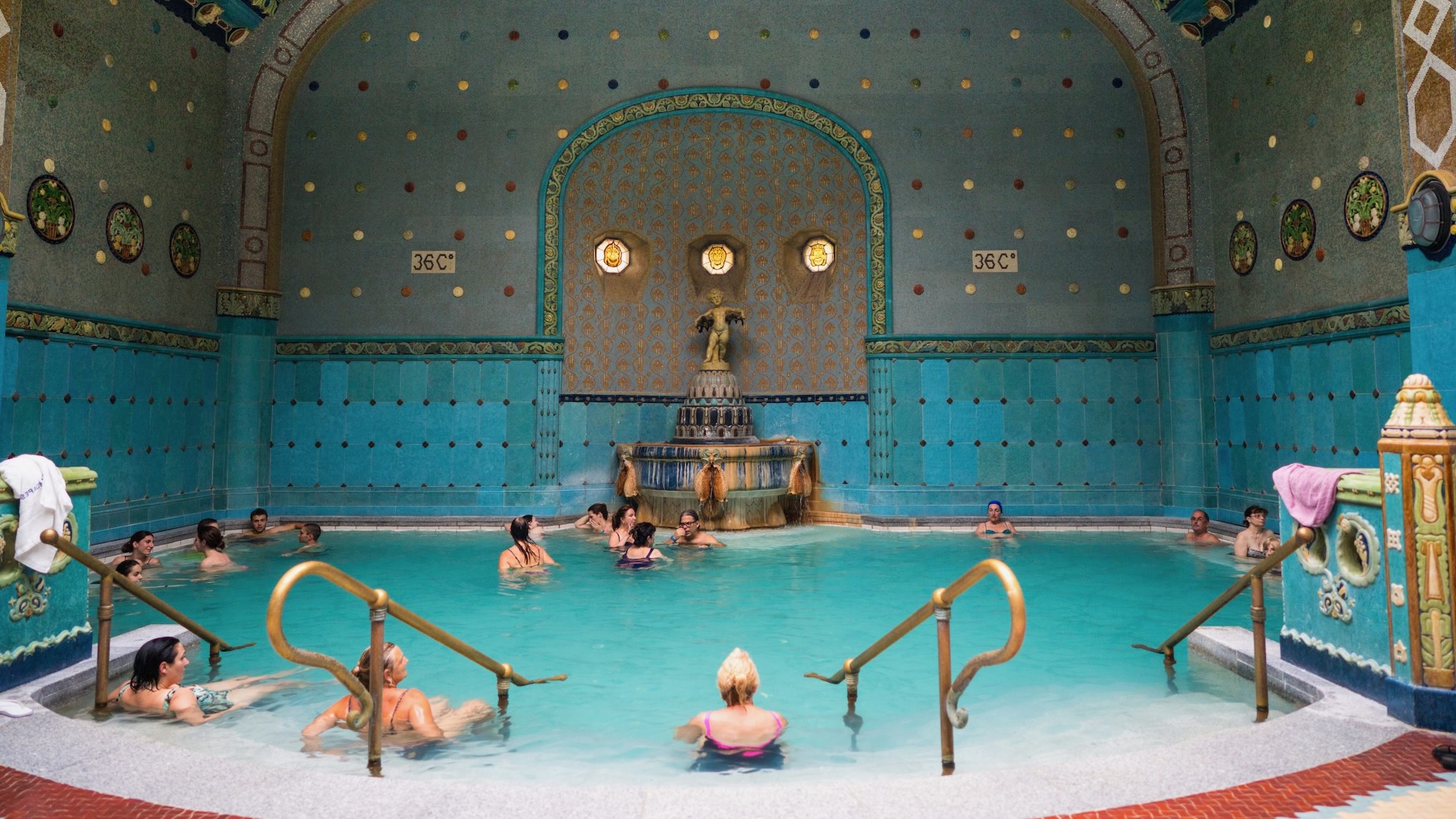
The Contemporary Spa Takes Shape
The rapid medical advances of the 20th century snowballed this trend. As scientific understanding of physiotherapy and hydrotherapy grew, spas rapidly expanded beyond hot bathing or steam rooms. By adding massages, skincare treatments, red-light therapy rooms, and even exercise and stress management programs, more and more spas were offering an evidence-based wellness experience.
And with travel and tourism becoming more accessible due to the introduction of commercial air and sea travel, resorts and other travel destinations around the world started integrating spa services into their offerings.
As time went on, spas began appearing in urban centers, too. No longer do you need to go to a spa town or a tourist destination.
As such, the spa industry was born, with professional training for staff, industry organizations that promoted best practices, and a growing emphasis on holistic health and guest experience.
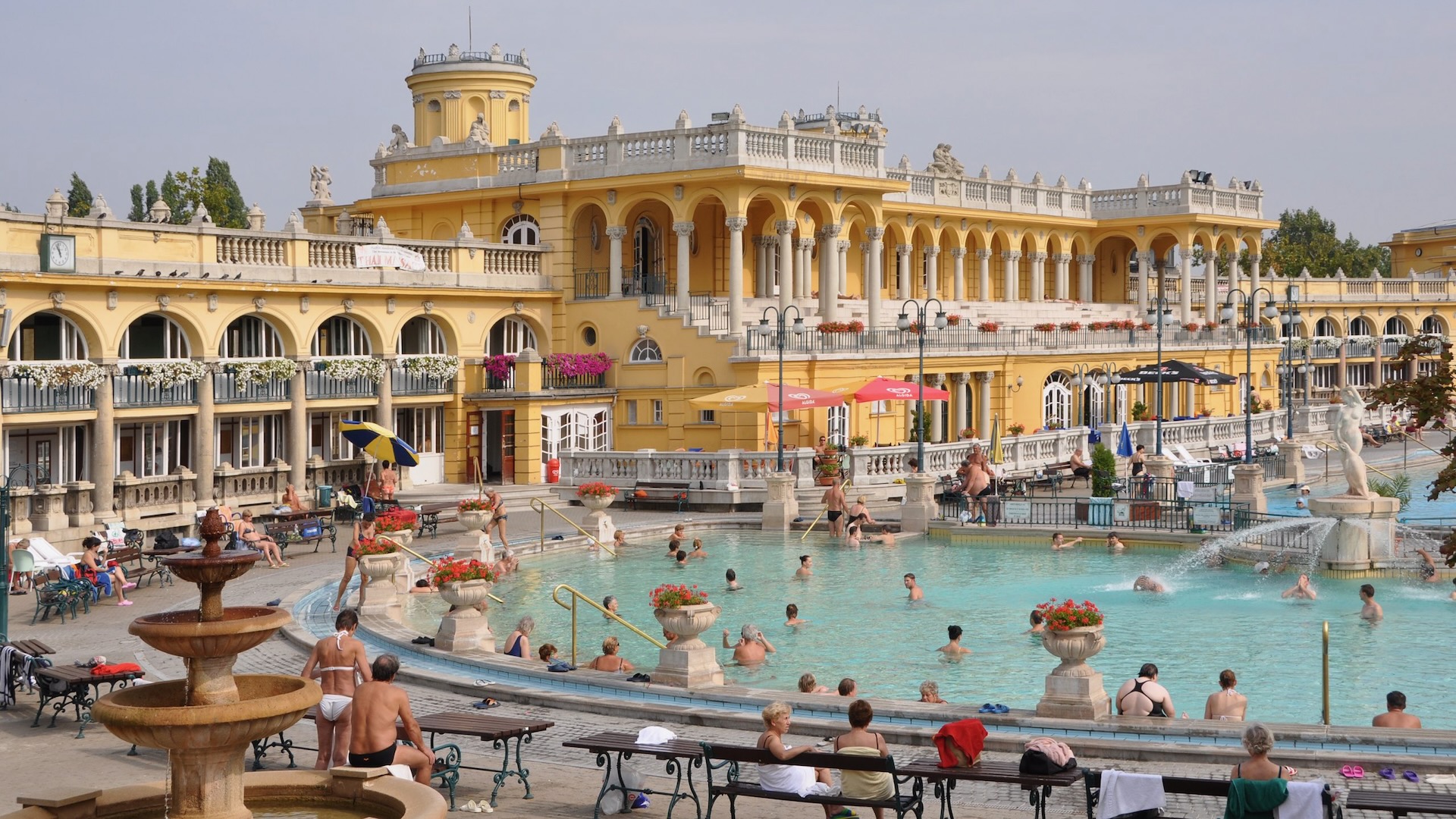
Wellness Goes Full Mainstream
Today, spas are part of a massive wellness industry.
While the good old hot bath or steam room remains the cornerstone of many spas, many others now also offer all sorts of wellness services, from relaxation and beauty to athletic recovery and mental health.
Wellness tourism also continues to surge. Many travelers plan entire trips around spa experiences, looking up spas in their destination country to compare prices and read local reviews. The digital search also involves a new approach. Some tech-savvy travelers use tools like a VPN for Canada, the US, or other destinations to access region-specific spa websites to understand the local nuances.
Spas are now also becoming more personalized and science-based. Many use data and research to both refine and market their services. As such, many spas now offer custom treatment plans according to your body, goals, or preferences.
Conclusion
Truly, a lot has changed about spas over the course of history. But one fundamental truth remains: everyone needs to relax once in a while. It’s why spas are still here and are bigger than ever. After all, nothing beats warmth and water in helping your mind and body feel at ease.