Wellness travel has shifted beyond the spa lobby. Guests now want therapeutic experiences in their own rooms, and hotels are responding by adding advanced hydrotherapy features that travelers actually use. Private soaking, contrast therapy, and in-room therapeutic bathing have become major drivers of bookings, especially among wellness-focused guests.
This movement reflects a larger trend: travelers want rest, recovery, and privacy on their own schedule. Shared spa facilities remain popular, but private, flexible wellness access has become a priority. Hotels with in-room hydrotherapy now command higher rates, outperform traditional rooms in occupancy and ADR, and appeal strongly to health-conscious travelers.
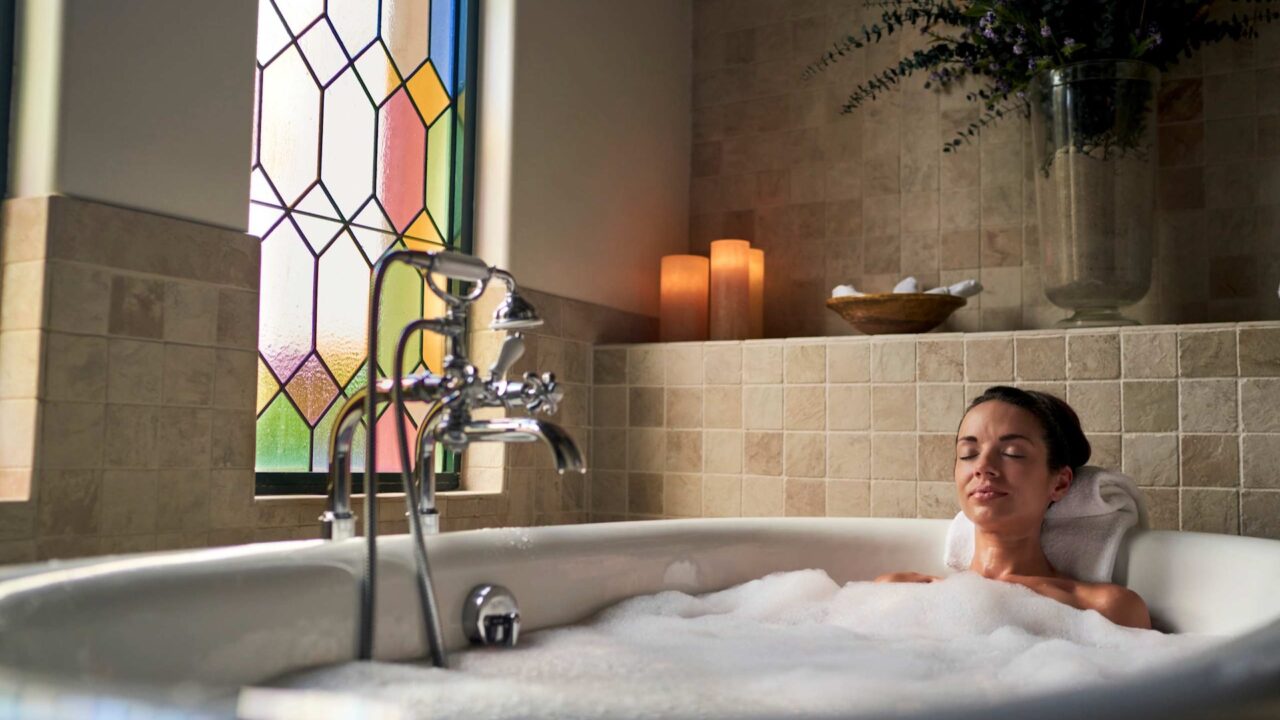
The Shift Toward Private, In-Room Wellness
Pandemic-era preferences reshaped how people feel about communal water spaces, accelerating demand for private hydrotherapy. Rooms with jacuzzis and soaking tubs consistently deliver better performance, driven by these key advantages:
● Flexibility – No reservations or time limits
● Hygiene control – Full confidence in cleanliness
● Privacy – No shared spaces or interruptions
● Convenience – No walking public hallways in a robe
Many travelers now treat their accommodations as their wellness sanctuary, making hydrotherapy suites high-value inventory rather than add-ons.
Why In-Room Hydrotherapy Resonates
Modern wellness travelers want autonomy and shorter, self-directed “micro-spa” moments. In-room access lets them soak when it fits their schedule—late at night, pre-hike, post-ski, or first thing in the morning.
Couples increasingly search for private hot tubs and soaking experiences, making them top amenities for honeymoons and romantic getaways. Active travelers also appreciate immediate recovery tools after outdoor adventures, without having to navigate shared facilities.
What Guests Actually Search For
Search interest in terms like “hotel with jacuzzi in room,” “private hot tub suite,” and “in-room spa bath” continues to rise. Yet many booking platforms don’t offer filters for in-room hydrotherapy, leaving travelers confused about whether a property has private tubs or only shared amenities. Sites like this one let you search by city for hotels with private jacuzzis and in-room hot tubs.
This gap is why specialist platforms are emerging to curate hotels specifically by in-room features. These searches show clear intent, and if hotels don’t appear in these results, they risk losing highly motivated guests.
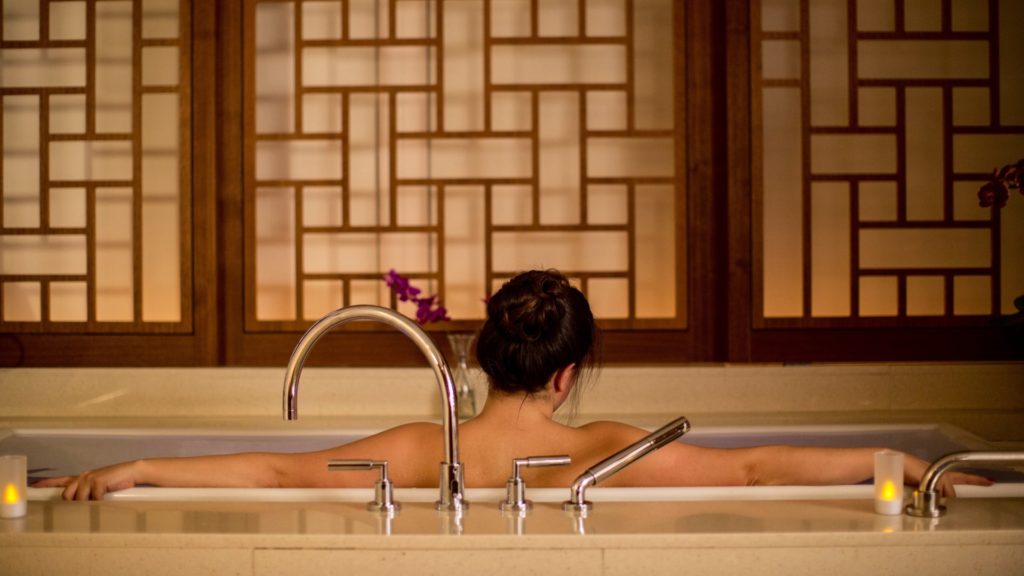
The Opportunity for Spa Hotels & Resorts
Spa-focused properties are uniquely positioned to lead this trend. Offering both communal spa experiences and in-room therapeutic bathing creates a complete wellness journey: treatments by day, private hydrotherapy by night.
Financial advantages include:
● Premium pricing: Jacuzzi and hydrotherapy suites often earn 40–80% higher ADR
● Low incremental costs: Minimal operating expense after installation
● Existing expertise: Spa teams already manage water systems and wellness programs
Wellness travelers who already book spa packages increasingly expect in-room options, meaning hotels are simply meeting existing demand rather than trying to create a new audience.
Hotels that add or enhance in-room hydrotherapy stand out quickly in competitive markets, especially as guests continue prioritizing private, flexible wellness experiences.