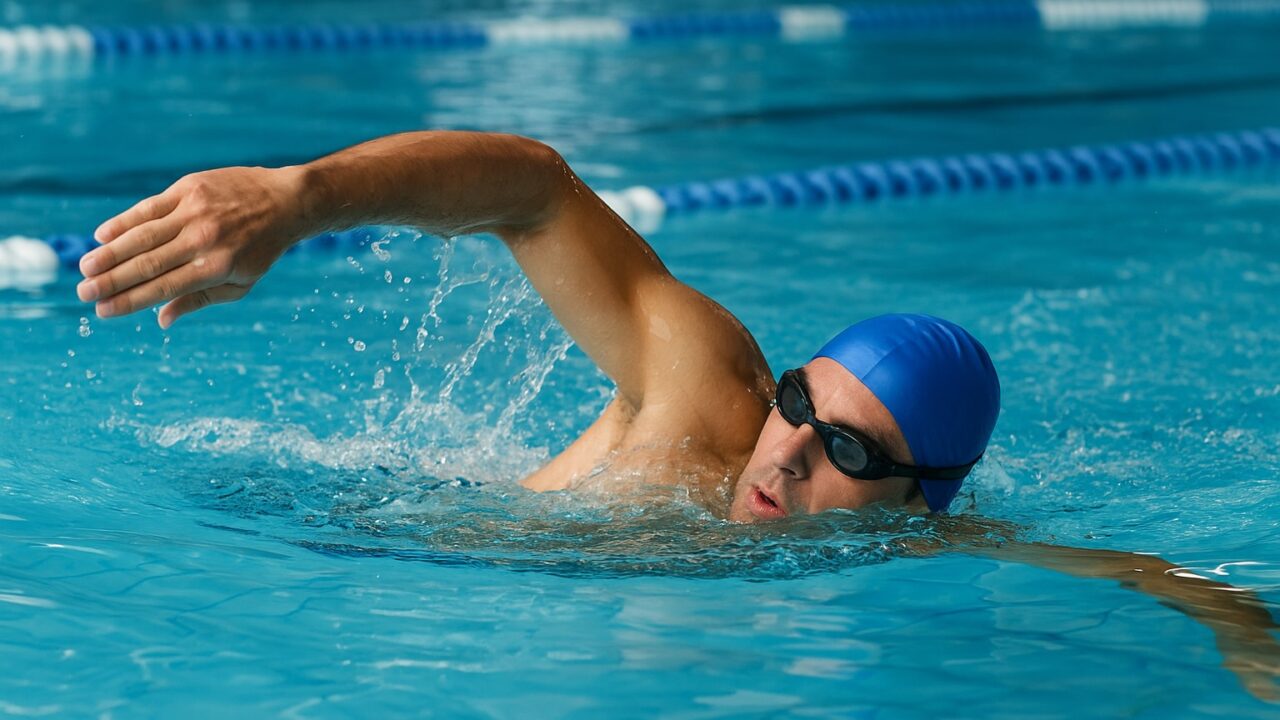
 The feeling is familiar: a buildup of tension in the shoulders, a low hum of mental fatigue, and the deep-seated need for a reset. For many, the immediate thought is to book a spa day—a session of hydrotherapy to soothe the nervous system and ease aching muscles. Yet, this solution often comes with significant barriers: the high cost of a single treatment, the need to schedule an appointment weeks in advance, and the challenge of carving out half a day for the endeavor.
What if the core benefits of spa-based hydrotherapy—profound stress relief, improved circulation, and deep muscle relaxation—were available without the constraints? The solution may be more accessible than you think, waiting not in an exclusive retreat, but in your local pool. Regular swimming provides nearly identical physiological and psychological advantages, positioning it as the most practical and sustainable form of daily accessible hydrotherapy.
The Established Science of Water-Based Healing
Hydrotherapy, the use of water for pain treatment and rehabilitation, is a cornerstone of the wellness world for a reason. It is not a trend but a time-tested modality. The unique properties of water—its temperature, pressure, and buoyancy—create a powerful environment for healing. Spas have long leveraged these properties through treatments like Vichy showers, thermal pools, and flotation therapies. These methods are effective, but they are also episodic. The true potential of hydrotherapy is unlocked through consistency, which is where the practice of swimming as spa treatment fundamentally changes the paradigm.
The Pool as Your Personal Hydrotherapy Suite
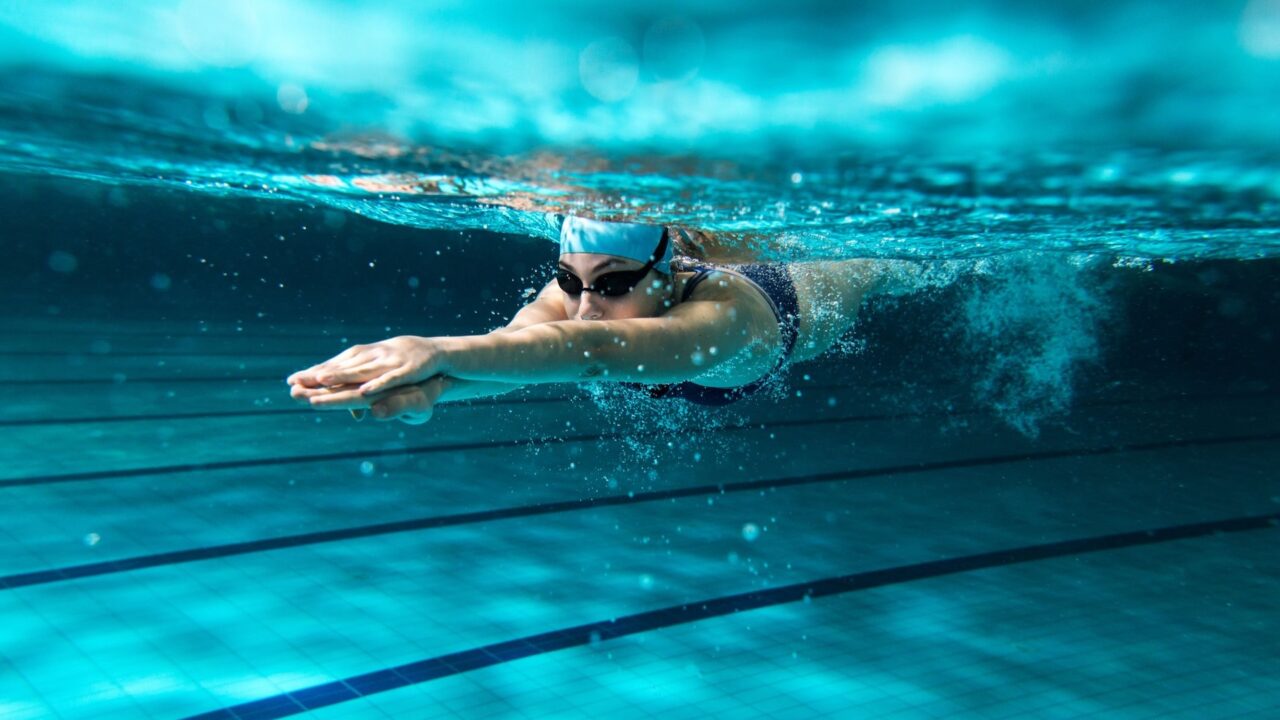
The parallel between a spa hydrotherapy circuit and a session in the pool is closer than it may first appear. The mechanisms that facilitate well-being in a professional setting are naturally present every time you enter the water.
1. Stress Relief: The Meditative Lap
A spa is designed to be a tranquil, sensory-controlled environment. The goal is to quiet the mind and allow the body’s stress response to diminish. This is achieved through calming ambiance and the soothing nature of warm water.
Swimming induces a similar state through rhythm and repetition. The consistent, cyclical motion of strokes and the sound of one’s own breath create a natural meditative state. This focused, repetitive activity is a form of moving meditation, allowing the mind to disengage from daily stressors. Physiologically, this rhythmic exercise prompts a release of endorphins and a reduction in cortisol levels, mirroring the neurochemical shift experienced after a spa treatment. The water itself acts as a barrier to external noise and distraction, creating a personal sanctuary of focus.
2. Improved Circulation: A Natural Vascular Workout
Many spa hydrotherapy treatments are built on the principle of thermotherapy—using hot and cold water to stimulate blood flow. A contrast bath, for instance, alternates between hot water (vasodilation) and cold water (vasoconstriction), effectively pumping circulation and reducing inflammation.
While a standard pool may not offer extreme temperature variations, the water is typically cooler than body temperature. This mild coolness causes a gentle vasoconstriction. As you move and your body works, your heart pumps more efficiently, and the hydrostatic pressure of the water—the constant, even pressure it exerts on the body—aids in pushing blood back toward the heart and core organs. This combination acts as a continuous, low-impact circulatory stimulant, enhancing oxygen delivery throughout the body and promoting efficient recovery, making swimming a powerful tool for swimming for muscle recovery.
3. Muscle Relaxation: The Gift of Buoyancy
Perhaps the most direct parallel is the effect of buoyancy. Spas offer treatments like flotation therapy or Watsu, where a therapist gently moves you in warm, chest-deep water. The primary agent of relaxation here is the near-complete relief from gravity, allowing supporting muscles to release and joints to decompress.
This experience of weightlessness is inherent to swimming. Buoyancy supports up to 90% of your body weight, offloading the spine, hips, knees, and ankles. In this state of suspension, tight muscles—particularly in the back, neck, and shoulders—can finally let go of the tension required to hold you upright against gravity on land. The water’s resistance also encourages a full range of motion, allowing for gentle stretching and strengthening without jarring impact. The result is a feeling of release and lightness often sought after in a spa’s flotation tank.
The Argument for Accessibility and Sustainability
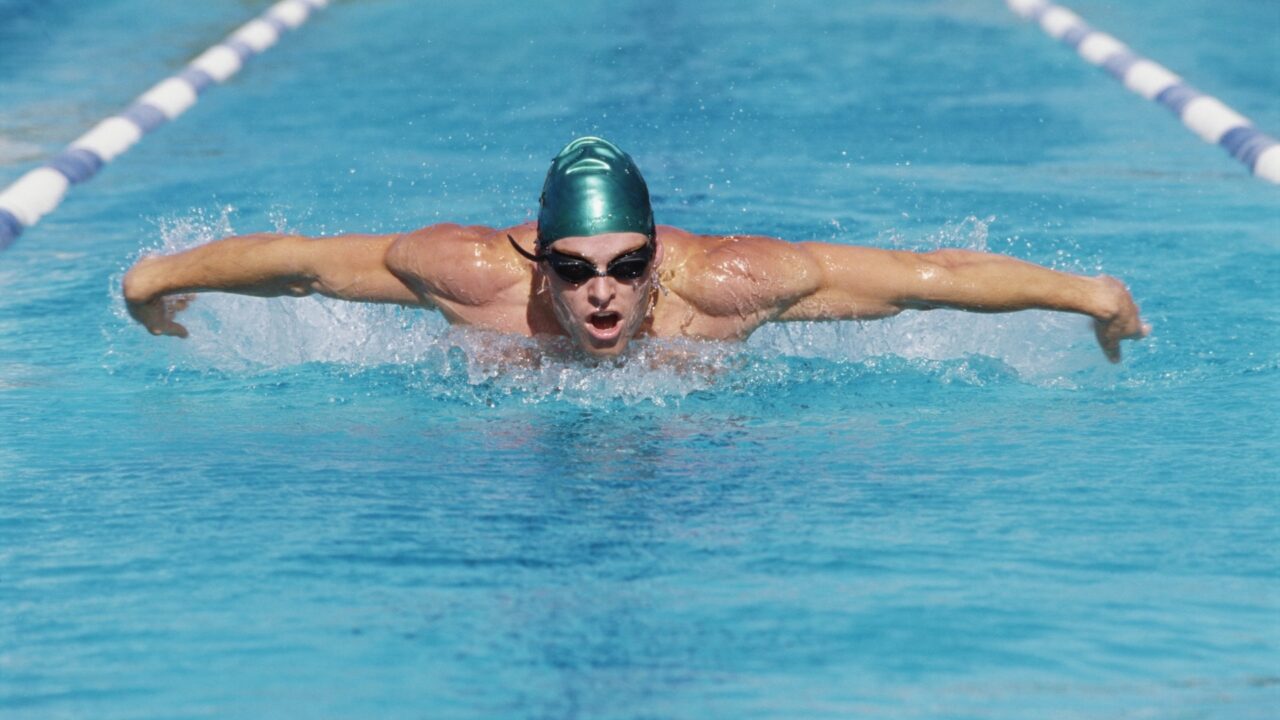
The benefits of water are undeniable. However, the sustainability of any wellness practice depends on its accessibility. This is where swimming moves from an alternative to a superior choice for daily practice.
Consider the financial investment: a single 60-minute spa hydrotherapy session can range from $100 to over $300. A monthly membership to a community or gym pool with lap swimming typically costs a fraction of that, often between $50 and $100. For the price of one or two spa visits, you can secure a full month of unlimited access, transforming an occasional luxury into a routine practice.
Furthermore, swimming eliminates the logistical hurdles of traditional spa treatments. There is no need to book an appointment weeks in advance. Most pools offer open lap swim hours throughout the day and evening, providing the flexibility to integrate this practice into a busy schedule, whether before work, during a lunch break, or in the evening. This makes a pool for stress relief a realistic, affordable alternative to spa treatments, moving hydrotherapy from a rare indulgence to an integrated part of a health-conscious lifestyle.
Integrating Practice into Your Routine
To maximize the hydrotherapeutic effects of swimming, focus on intention. Approach your time in the pool not as a strenuous workout, but as a moving recovery session. Concentrate on the rhythm of your breath and the sensation of the water. Focus on smooth, flowing strokes and the feeling of buoyancy supporting your body. Many facilities offer dedicated “leisure” or “wellness” swim times with a calmer atmosphere, ideal for this purpose.
For those new to swimming or who wish to refine their technique to enhance relaxation and efficiency, guidance can be invaluable. This is particularly true for residents of Miami, where a culture of wellness and aquatic activity is a way of life. For those seeking a truly personalized approach, private swim lessons can fast-track this process. Miami-based schools like SwimRight Academy specialize in private swim lessons tailored to adult beginners and those looking to improve their technique, ensuring each movement in the water contributes to maximum relaxation and efficiency from the very start. Refining your stroke reduces struggle and increases the meditative, fluid quality of the exercise. If the idea of transforming your daily routine into a restorative practice appeals to you, our programs for adults are designed to build confidence and technique in the water.